Key Takeaways
- Automotive quality standards help improve vehicle safety, reliability and product quality.
- Australian vehicles must comply with national regulations such as the Australian Design Rules (ADRs).
- International standards guide quality management, manufacturing and supplier processes across the automotive industry.
- Certification and ongoing audits help manufacturers and suppliers maintain consistent quality and regulatory compliance.
- Industry organisations and government agencies work together to support safety, innovation and consumer confidence.
Why automotive standards matter
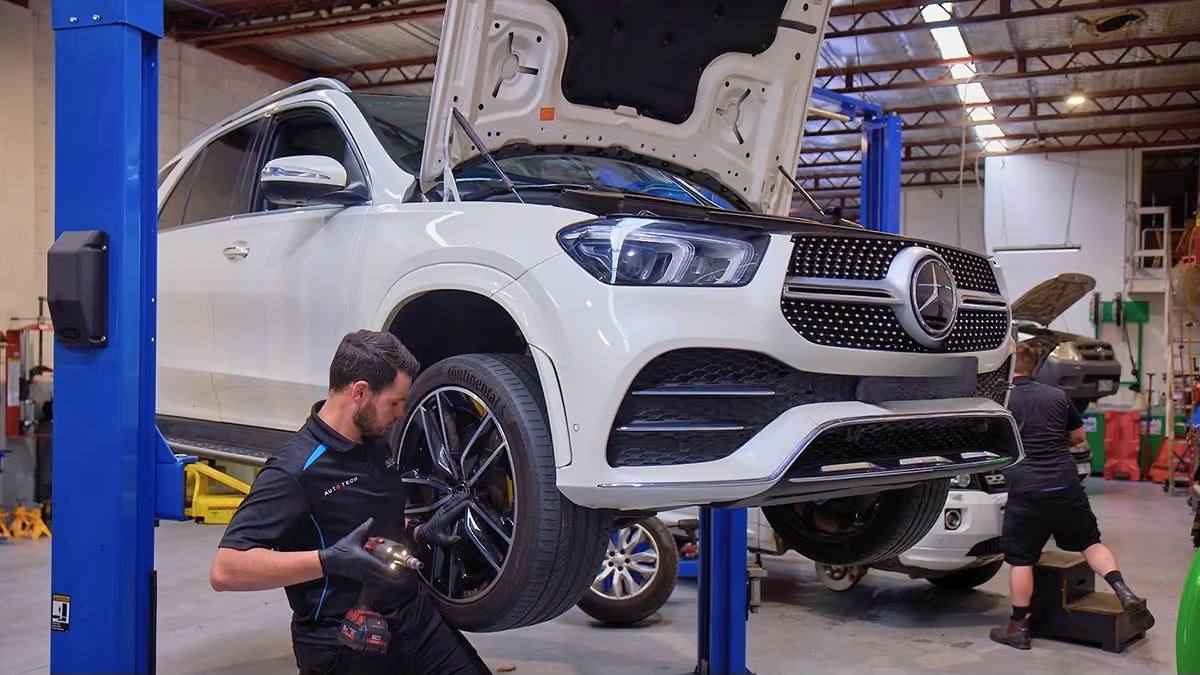
Automotive industry quality standards help ensure vehicles are designed, manufactured and serviced safely, consistently and to recognised levels of quality. They provide a framework for quality management, regulatory compliance and continuous improvement across manufacturers, suppliers and workshops.
For drivers, these standards offer confidence that vehicles meet established safety and performance requirements. For the automotive industry, they help improve product quality, reduce defects and support consistent practices throughout the supply chain.
What this guide covers
- The key automotive quality standards used globally and in Australia.
- How Australian Design Rules (ADRs) support vehicle compliance.
- The role of certification, audits and quality management systems.
- Emerging compliance considerations, including software and connected vehicles.
- The organisations that help shape Australia's automotive industry.
Global and Australian automotive standards frameworks
The automotive industry relies on a combination of international quality standards and Australian regulations to maintain product quality, safety and compliance. While each framework has a different purpose, they work together to help manufacturers, suppliers and automotive businesses deliver consistent outcomes throughout the product lifecycle.
| Standard / Framework | Primary purpose |
|---|---|
| IATF 16949 | Defines the automotive quality management system requirements for manufacturers and suppliers, with a strong focus on defect prevention and continuous improvement. |
| ISO 9001 | Provides a framework for quality management systems that helps organisations improve consistency, efficiency and customer satisfaction across all industries. |
| Australian Design Rules (ADRs) | Set the national safety, environmental and anti-theft requirements that vehicles must meet before they can be supplied in Australia. |
| UNECE Regulations | International vehicle regulations that support consistent safety, environmental and technical standards across participating markets. |
| ISO 26262 | Establishes functional safety requirements for electrical and electronic systems used in modern road vehicles. |
No single standard covers every aspect of the automotive industry. Some focus on quality management, others on vehicle safety, manufacturing processes or regulatory compliance. Together, they create a comprehensive framework that helps ensure consistency, improve product quality, and support innovation across the global automotive industry.
Australian Design Rules (ADRs) explained
The Australian Design Rules (ADRs) are the national standards that govern the safety, environmental performance and construction of road vehicles in Australia. Before a new vehicle can be supplied to the Australian market, it must comply with the relevant ADR requirements.
Safety first
ADRs establish minimum safety requirements for critical vehicle systems, including braking, occupant protection, lighting and visibility. These standards help improve road safety while ensuring vehicles perform consistently under Australian conditions.
Supporting environmental compliance
In addition to safety, ADRs set requirements for vehicle emissions and noise. These regulations help reduce environmental impact while encouraging manufacturers to adopt cleaner and more efficient technologies.
Consistency across manufacturers
Whether a vehicle is built locally or imported, ADR compliance helps ensure it meets the same national requirements before reaching Australian roads. This creates greater consistency for manufacturers, suppliers, workshops and consumers alike.
Ongoing compliance matters
Compliance doesn't end when a vehicle leaves the factory. Workshops, repairers and owners all play a role in maintaining the safety and integrity of a vehicle by using appropriate repair methods, quality components and manufacturer-approved procedures where required.
Why quality, safety and environmental standards matter
Strong automotive industry quality standards do more than satisfy regulatory requirements. They help manufacturers, suppliers and automotive businesses deliver safer vehicles, maintain consistent product quality, and continually improve the way they design, build and support vehicles throughout their lifecycle.
- Improve product quality and consistency across the automotive industry.
- Support safer vehicles through recognised quality management practices.
- Drive continuous improvement throughout manufacturing and the supply chain.
Better quality management
Frameworks such as IATF 16949 and ISO 9001 encourage organisations to establish robust quality management systems that improve consistency, reduce errors and strengthen customer confidence.
Defect prevention
Quality standards place a strong emphasis on identifying and preventing defects early in the manufacturing process, helping reduce rework, product recalls and unnecessary costs.
Stronger supplier relationships
Consistent quality requirements help manufacturers and suppliers work together more effectively, supporting traceability, accountability and reliable product performance throughout the automotive supply chain.
A culture of continuous improvement
Regular audits, performance reviews, and ongoing process refinement help automotive businesses adapt to new technologies, improve operational excellence, and meet changing customer expectations.
Automotive cybersecurity and software compliance
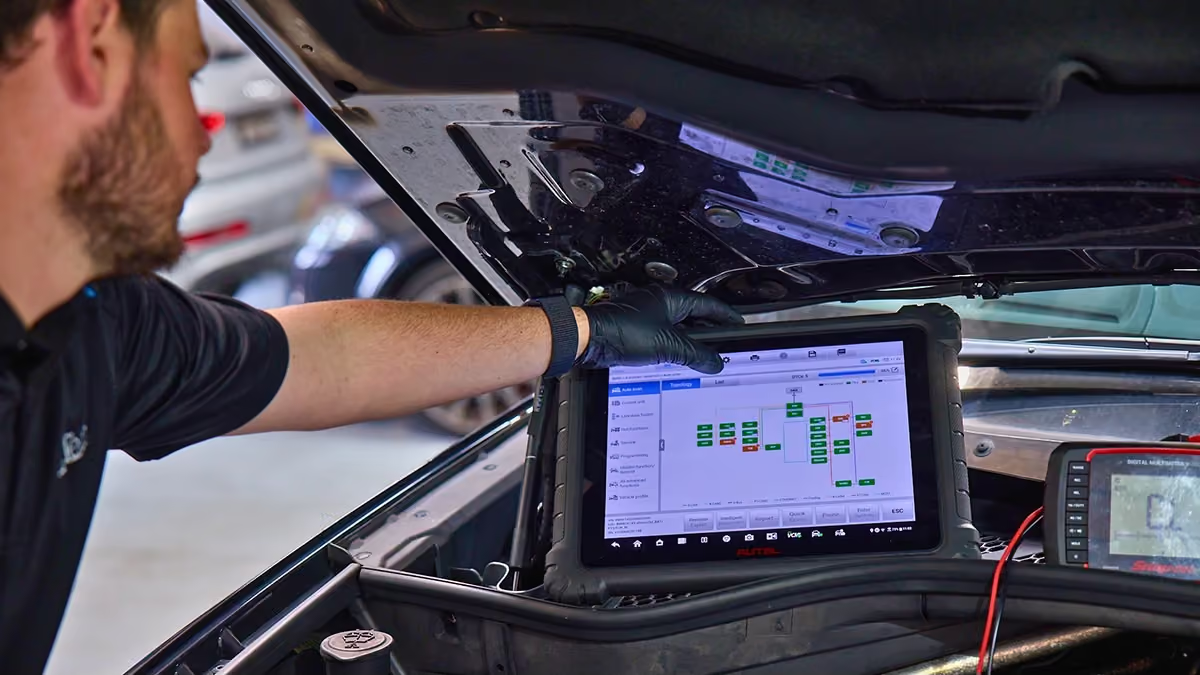
As vehicles become increasingly connected, automotive compliance extends beyond mechanical components to include software, data security and digital systems. Features such as advanced driver assistance systems, over-the-air software updates and connected vehicle technologies all rely on secure, well-managed software to operate safely and reliably.
For manufacturers, this means designing vehicles that meet evolving cybersecurity and software requirements while maintaining regulatory compliance. For workshops, it means having access to the right diagnostic tools, technical information and ongoing training to correctly service modern vehicles as technology continues to evolve.
Certification and local approvals in Australia
Meeting automotive industry quality standards isn't a one-off task. Certification and compliance require ongoing planning, documentation and continuous improvement to ensure products and processes continue to meet recognised requirements.
- 01
Understand the applicable standards
The first step is identifying which quality standards and regulatory requirements apply. Depending on the organisation and its role in the automotive supply chain, this may include IATF 16949, ISO 9001, Australian Design Rules (ADRs) or other relevant international standards.
- 02
Develop a quality management system
A documented quality management system helps establish consistent processes, define responsibilities and support quality assurance across manufacturing, production and supplier operations.
- 03
Complete audits and certification
Independent audits assess whether an organisation's management system meets the requirements of the relevant standard. Successfully completing the audit allows eligible organisations to achieve certification and demonstrate their commitment to quality.
- 04
Maintain and improve compliance
Certification isn't the end of the process. Regular reviews, internal audits and continuous improvement activities help organisations maintain compliance, respond to changing requirements and continue delivering consistent product quality.
Common compliance challenges for workshops and automotive businesses
Maintaining compliance with automotive industry quality standards requires more than meeting initial certification requirements. As technologies, regulations and customer expectations continue to evolve, manufacturers, suppliers and workshops must adapt to ensure they remain compliant and deliver consistent quality.
Keeping up with changing standards
Automotive standards and regulatory requirements are regularly updated to reflect new technologies and industry best practices. Ongoing training and regular reviews help businesses stay informed and maintain compliance.
Managing increasingly complex vehicle technology
Modern vehicles rely on sophisticated electronics, software and connected systems. Workshops need access to the right diagnostic equipment, technical information and specialist training to service these vehicles safely and correctly.
Maintaining accurate documentation
Quality management systems rely on clear records, documented processes and consistent reporting. Incomplete or outdated documentation can affect audits, certification and overall quality assurance.
Ensuring consistency across the supply chain
Manufacturers and suppliers depend on consistent quality at every stage of production. Strong communication, supplier management and regular quality control processes help minimise defects and support reliable outcomes.

Which Australian agencies govern automotive standards?
Australia's automotive industry is supported by a combination of government agencies, industry associations and international standards bodies that work together to promote safety, quality and regulatory compliance. While manufacturers are responsible for meeting the relevant standards, these organisations help develop regulations, oversee compliance and provide guidance to the broader automotive industry.
For example, the Department of Infrastructure, Transport, Regional Development, Communications and the Arts is responsible for the Australian Design Rules (ADRs), while Standards Australia contributes to the development of nationally adopted standards.
The Australian Competition and Consumer Commission (ACCC) plays an important role in consumer protection and product safety, and industry organisations such as the Australian Automotive Aftermarket Association (AAAA) advocate for independent workshops, technical training and fair access to repair information.
Together, these organisations help ensure Australia's automotive industry continues to uphold high standards of safety, quality and innovation while supporting consumers, manufacturers, suppliers and repairers.
Why industry advocacy matters
As vehicle technology and industry regulations continue to evolve, organisations such as the Australian Automotive Aftermarket Association (AAAA) help ensure independent workshops, manufacturers and suppliers can keep pace with changing standards. Through advocacy, technical training and support for fair access to repair information, they contribute to a more competitive and innovative automotive industry.
At Auto Tech Group, we share this commitment by investing in ongoing training, specialist equipment and best-practice servicing. Supporting recognised industry standards helps us continue delivering quality workmanship while giving our customers confidence in the care their vehicles receive.
Partner with a workshop that values quality and compliance
From manufacturer-recommended servicing to advanced diagnostics, our team follows recognised industry standards to help keep your vehicle safe, reliable and performing at its best.
Frequently asked questions
What is IATF 16949?
IATF 16949 is an internationally recognised automotive quality management standard developed specifically for automotive manufacturers and suppliers. It builds on ISO 9001 by introducing additional requirements focused on defect prevention, risk management, and continuous improvement throughout the automotive supply chain.
How is ISO 9001 different from IATF 16949?
ISO 9001 is a general quality management system standard used across many industries, while IATF 16949 is designed specifically for the automotive industry. Organisations supplying automotive manufacturers often implement both standards to strengthen quality management and meet customer requirements.
What are the Australian Design Rules (ADRs)?
The Australian Design Rules (ADRs) are the national standards that set minimum requirements for vehicle safety, emissions and construction before vehicles can be supplied to the Australian market.
Why are quality management systems important in the automotive industry?
Quality management systems help organisations improve consistency, reduce defects and support continuous improvement. They also provide a structured framework for maintaining certification, preparing for audits and meeting customer and regulatory requirements.
Can independent workshops service modern vehicles?
Yes. Qualified independent workshops have access to specialist diagnostic equipment, ongoing technical training and, through Australia's Motor Vehicle Information Scheme, manufacturer repair and service information needed to service many modern vehicles correctly.
How do automotive quality standards benefit vehicle owners?
Although many quality standards operate behind the scenes, they help improve vehicle safety, reliability and product quality. They also support better manufacturing practices, consistent servicing standards and greater confidence throughout the ownership experience.
Table of contents