

Emission system repair and diagnostics
Emission system issues can be confusing, especially when the car still runs. We take the time to diagnose the problem properly and walk you through what needs fixing and what it will cost.




Experienced with complex systems

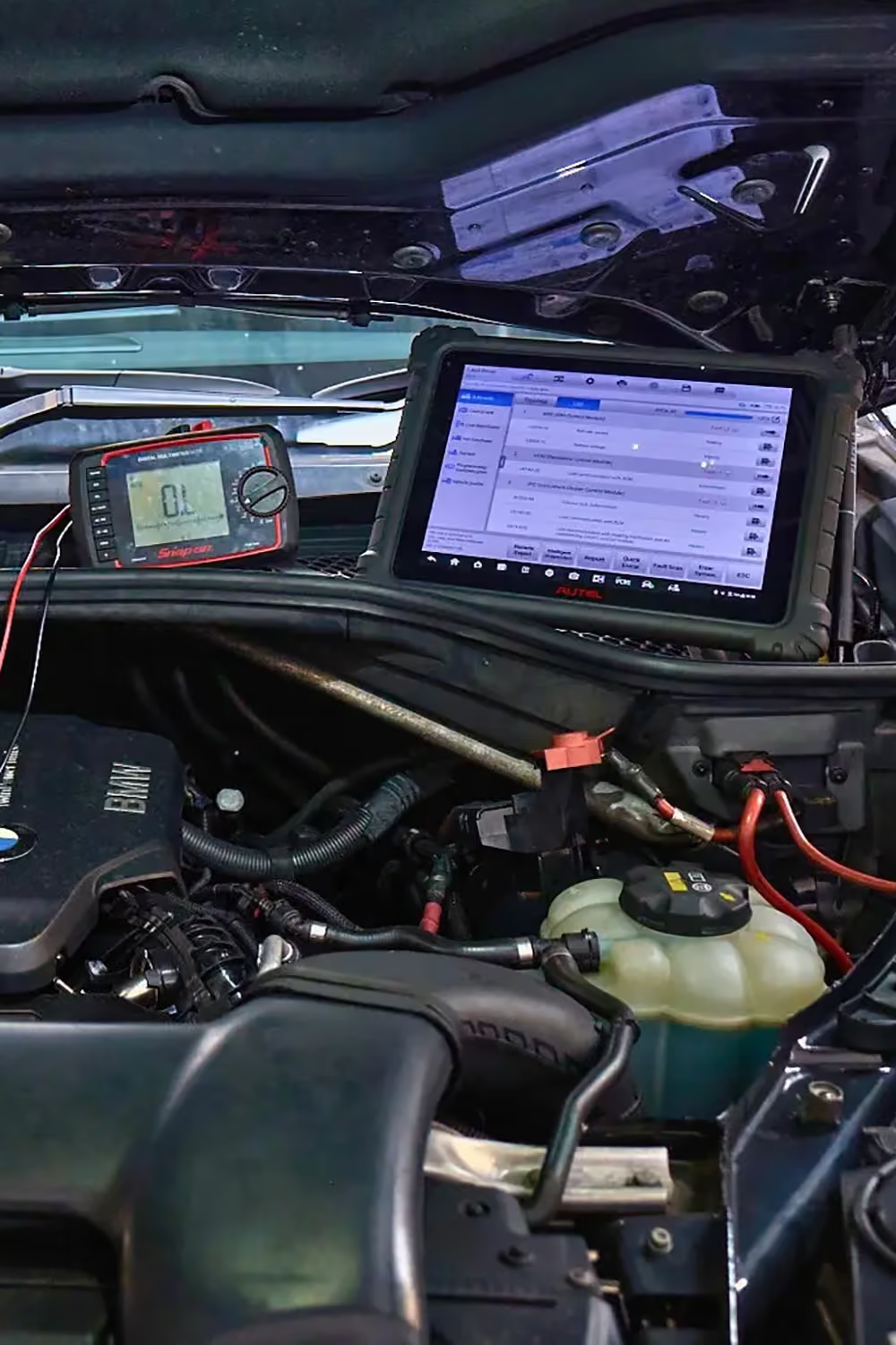
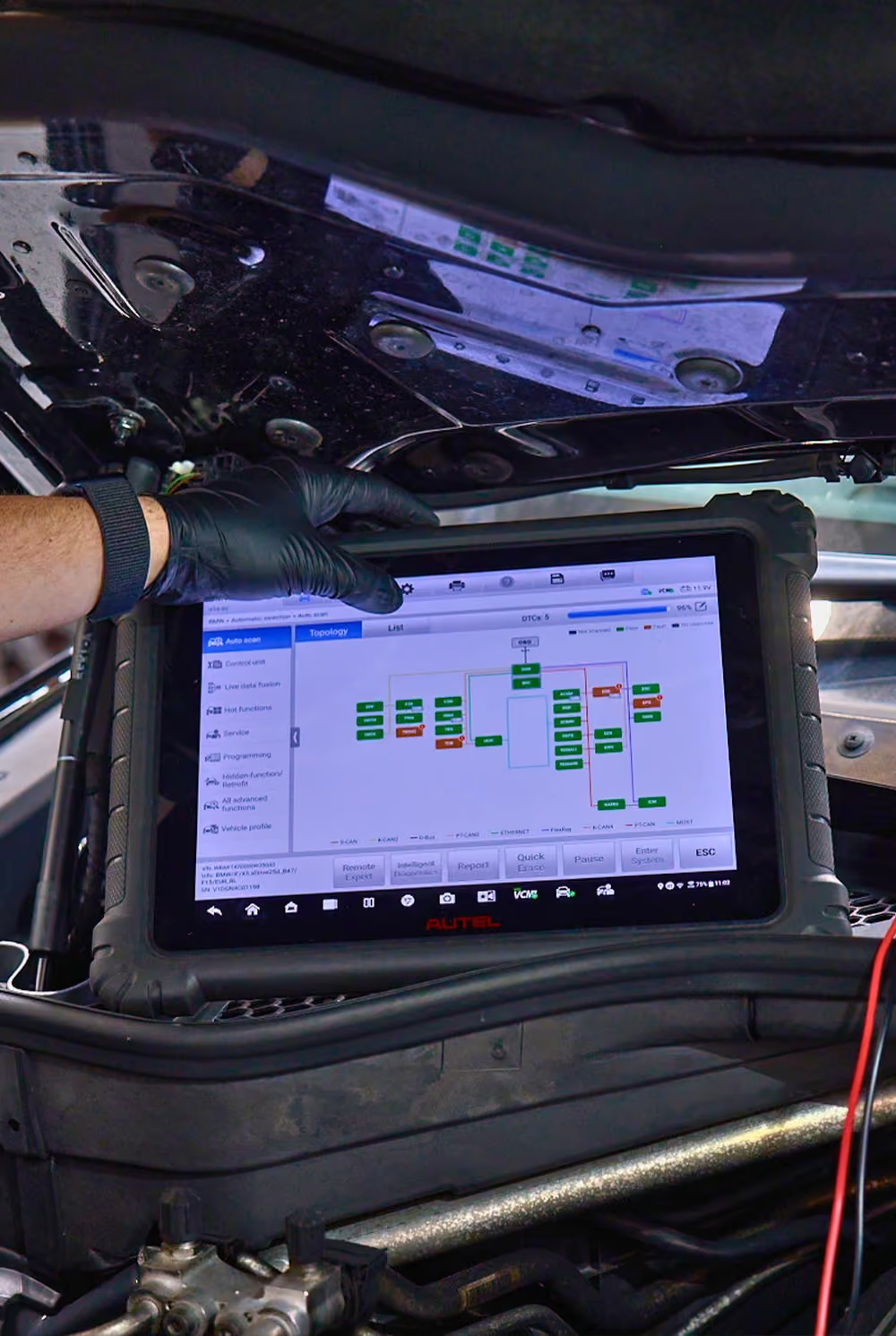
Advanced diagnostic equipment

Precise emission system fault testing

Fix the cause, not the warning light
What we check during an emission test
Emission system issues can come from several different components. We test each part carefully to find the source of the problem and avoid unnecessary repairs.
Diagnosing O2 sensor faults
Oxygen sensors play a key role in controlling your engine’s air-fuel mixture. We test sensor performance and data readings to identify faulty oxygen sensors that can trigger the check engine light or increase emissions.
Inspecting catalytic converter condition
The catalytic converter reduces harmful exhaust gases. We check for blockages, damage or failure that can restrict exhaust flow, affect performance and cause emission system problems.
Detecting EVAP system leaks
The EVAP system controls fuel vapours from your tank. We test for leaks, faulty purge valves or loose gas caps that can trigger emission faults and dashboard warning lights.
.avif)
Why emission issues are worth fixing
Emission system faults can start small but lead to bigger issues if left unchecked. Early diagnosis helps prevent more complex repairs, keeps your car running efficiently, and avoids unnecessary repair costs.

Small faults can become costly repairs
A faulty oxygen sensor or minor EVAP leak might seem minor, but over time, it can affect other components like the catalytic converter. Fixing issues early helps reduce overall repair costs for the emission system.

Emission issues affect fuel efficiency
When your emission system isn’t working properly, your engine may run with the wrong air-fuel mixture. This can increase fuel consumption and reduce overall performance.
Warning lights shouldn’t be ignored
A check engine light related to emission issues can indicate anything from a loose gas cap to a failing component. Proper diagnostics help identify the issue before it leads to more serious engine problems.
We understand modern emission systems
Emission system issues aren’t always straightforward. At Auto Tech Group, we focus on diagnosing the problem properly before suggesting any repair. With over 25 years of experience and advanced diagnostic tools, we test emission systems across modern and European vehicles, so you get clear answers and the right fix.

No surprises when it comes to repairs
From sensors to catalytic converters, we identify the issue first and provide a clear breakdown of what it takes to fix it.
Taking the guesswork out of repairs
Emission system problems can be frustrating because the cause isn’t always obvious. A warning light might point to one issue, but the real fault could sit elsewhere in the system.
Emission fault data checks
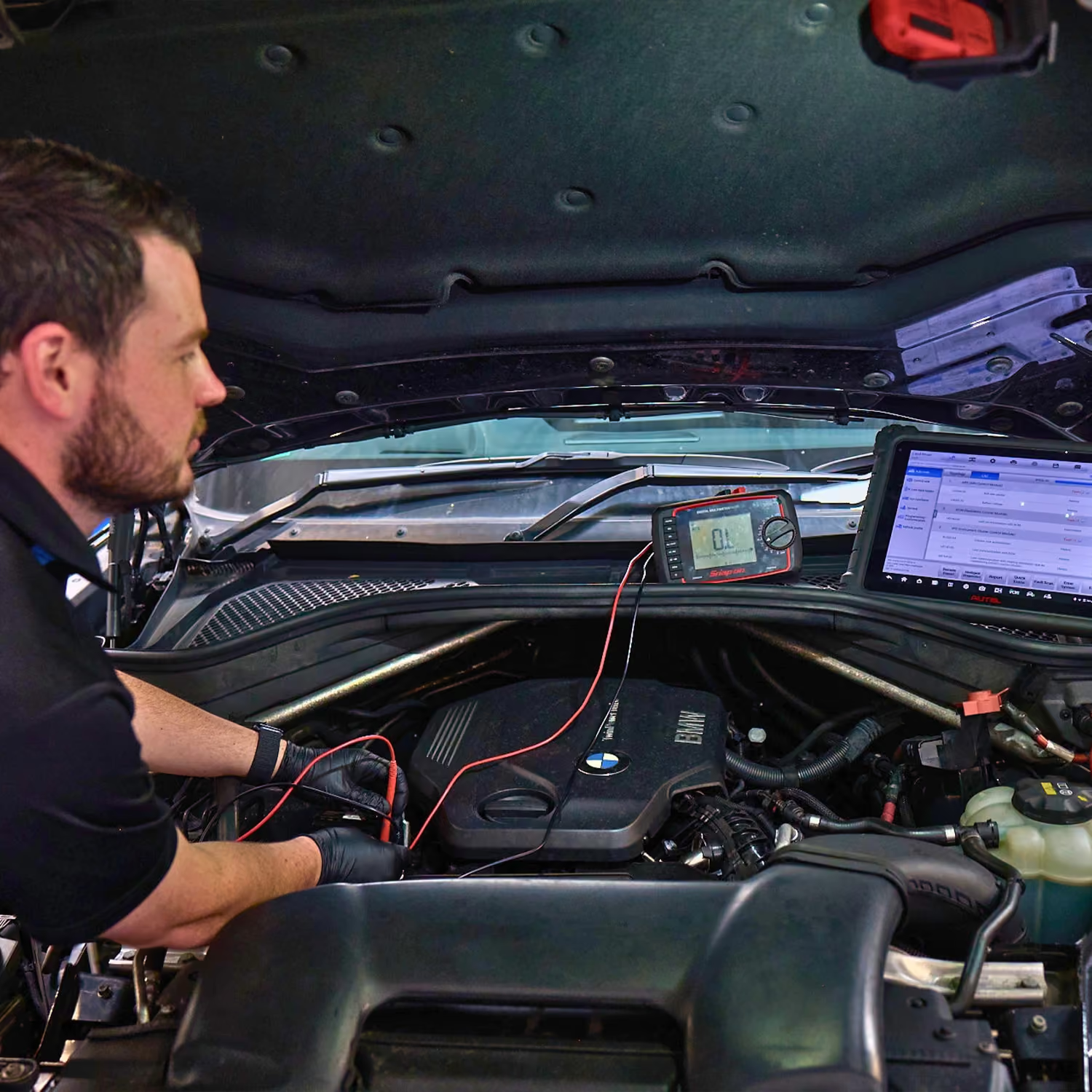
We use diagnostic tools to read fault codes and live emission system data, helping us understand how the system is performing.
- OBD-II emission system checks
- Live data reviewed during testing
- Fault codes interpreted properly
Oxygen sensor fault tracing
Oxygen sensor issues can affect fuel use, emissions, and engine performance. We test related systems before recommending repairs.
- Oxygen sensor testing available
- Helps identify fuel mixture issues
- Supports efficient engine operation
Catalytic converter checks
Catalytic converter faults can be linked to other engine or sensor issues. We inspect the system to understand the cause before repairs begin.
- Converter performance reviewed
- Related engine faults considered
- Helps avoid repeat warning lights
Clear repair recommendations
Once testing is complete, we explain what we found, what needs attention, and what your repair options are.
- Clear explanation of findings
- Approval before repair work
- Practical advice for next steps
Our accreditations

Malvern authorisation number: AU 088968
Malvern East authorisation number: AU 065187

Licensed roadworthy tester

VACC membership
Simple, transparent vehicle care
From booking your appointment to collecting your vehicle, we make the process straightforward.

Book your service
Choose your preferred workshop and submit a booking enquiry online or contact our team. We'll gather the details needed to arrange your visit.

Confirm your visit
We'll review your request, confirm your appointment details, and answer any questions before your vehicle arrives at the workshop.

Receive expert care
Our technicians complete the required work, keep you informed throughout the process, and seek approval before any additional repairs are performed.
Makes and models we diagnose every day
Alfa Romeo

Audi


Hyundai

Jaguar

Kia



Mazda

Mercedes-Benz

MINI

Mitsubishi

Nissan

Peugeot
Porsche


Skoda

Tesla
Toyota

Volkswagen

Volvo
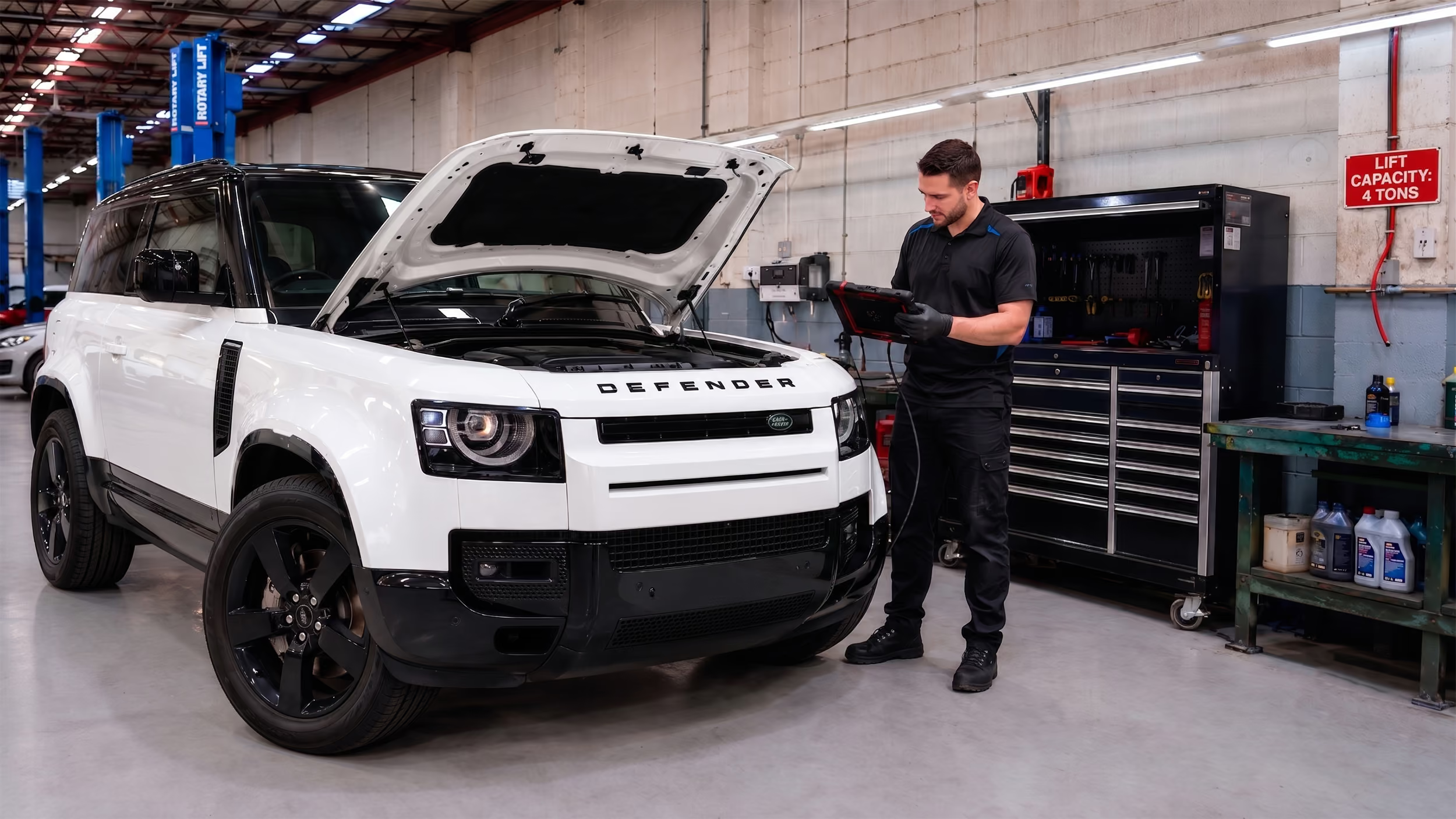
Land Rover experts in Melbourne's inner east
We know Land Rovers inside and out, delivering everything from routine servicing to complex diagnostics and repairs without the cost or hassle of dealership servicing.
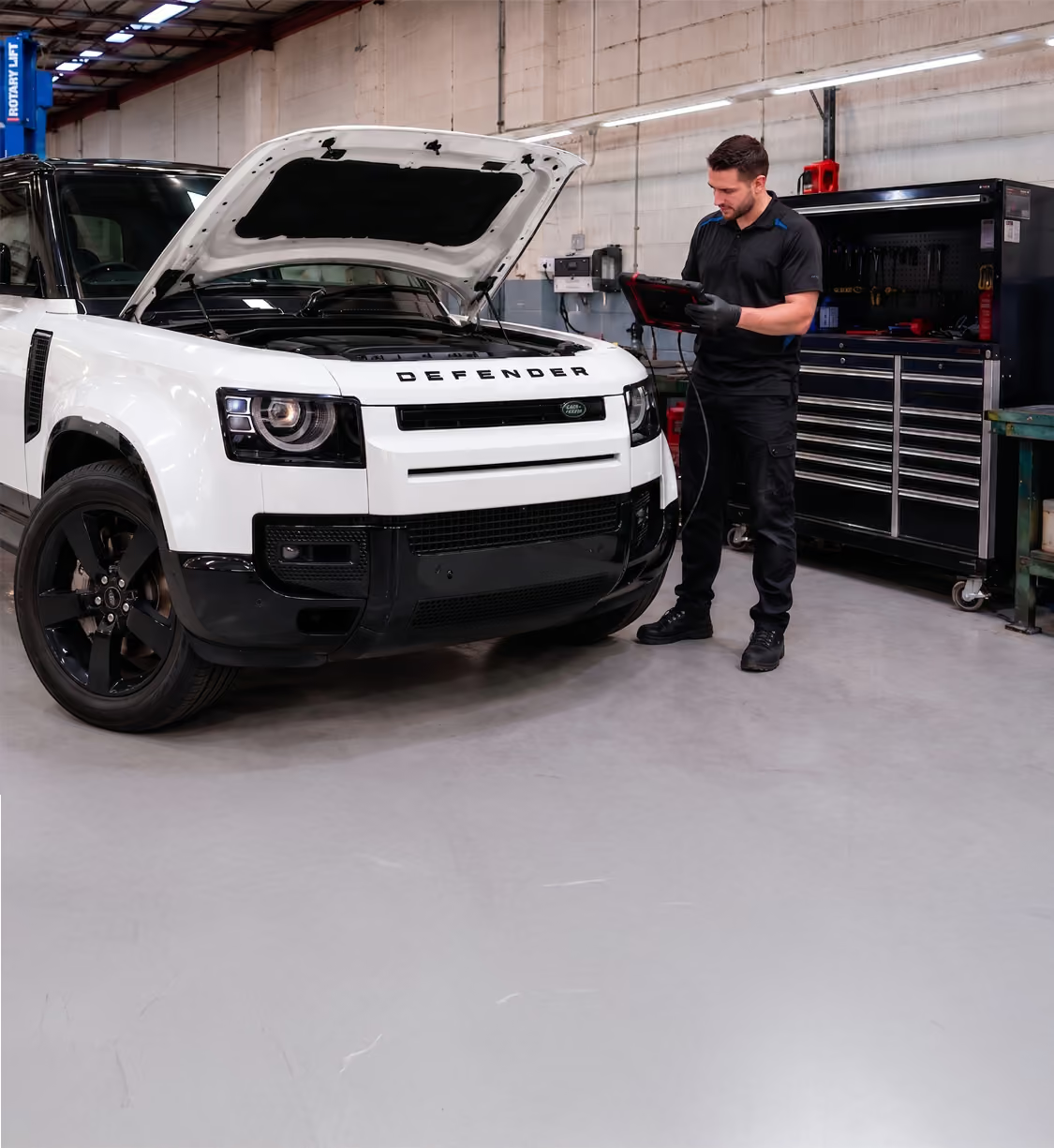
Repairing emissions the right way
Emission system repairs aren’t just about clearing a fault; they’re about making sure your car is running cleanly and efficiently long term. We use quality parts and a structured diagnostic process to fix the issue properly, helping reduce repeat faults and unnecessary replacements.
Our automotive services
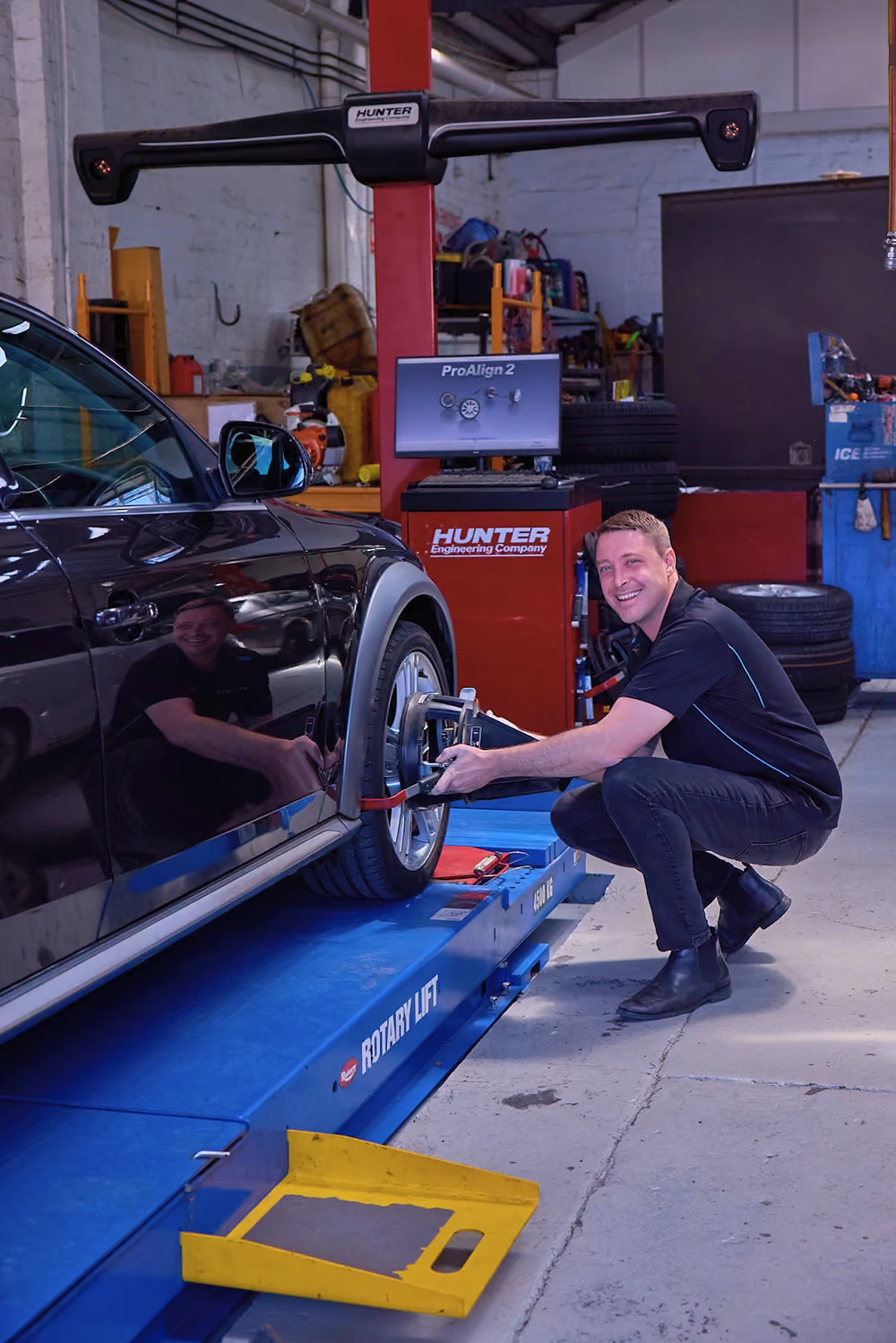
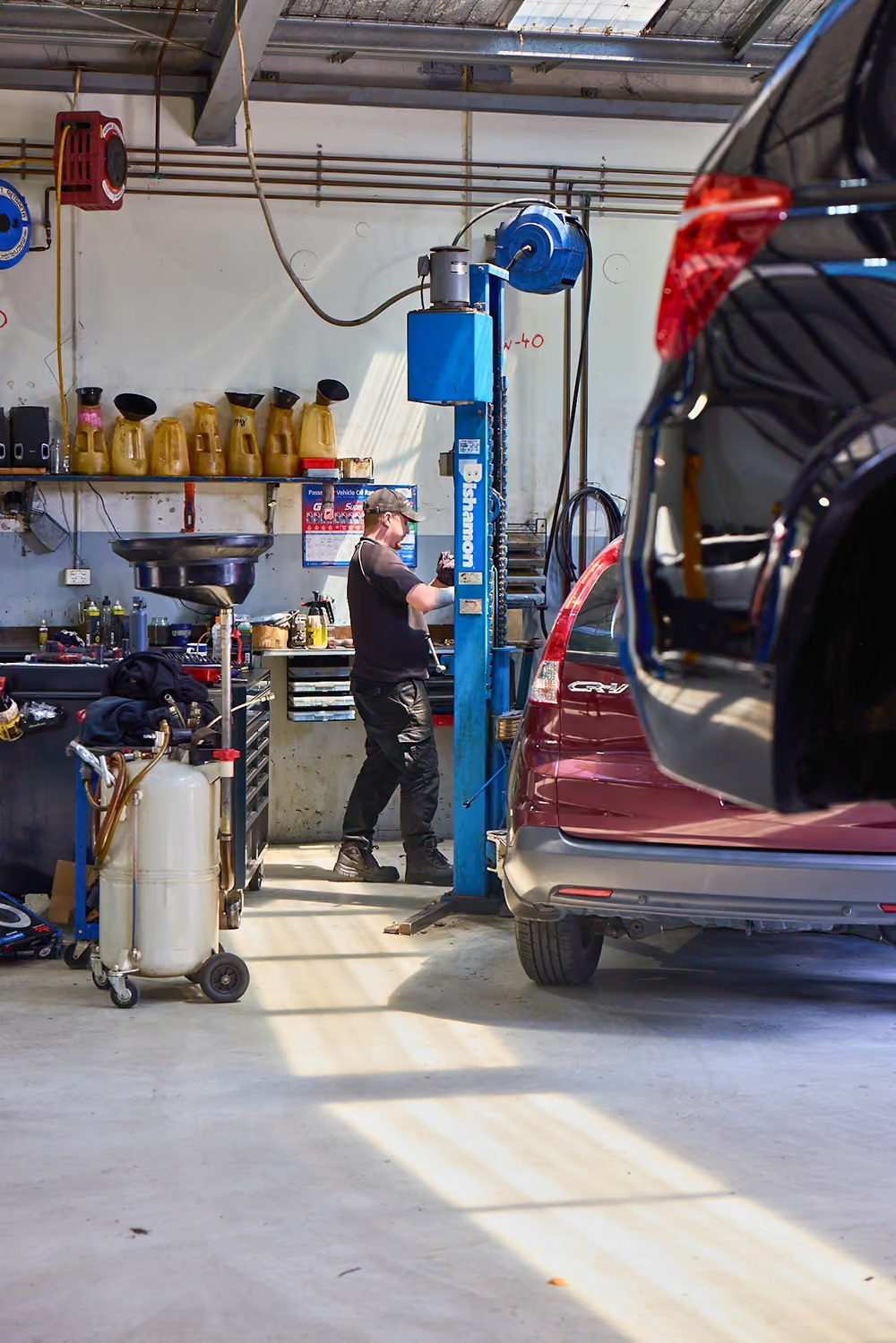
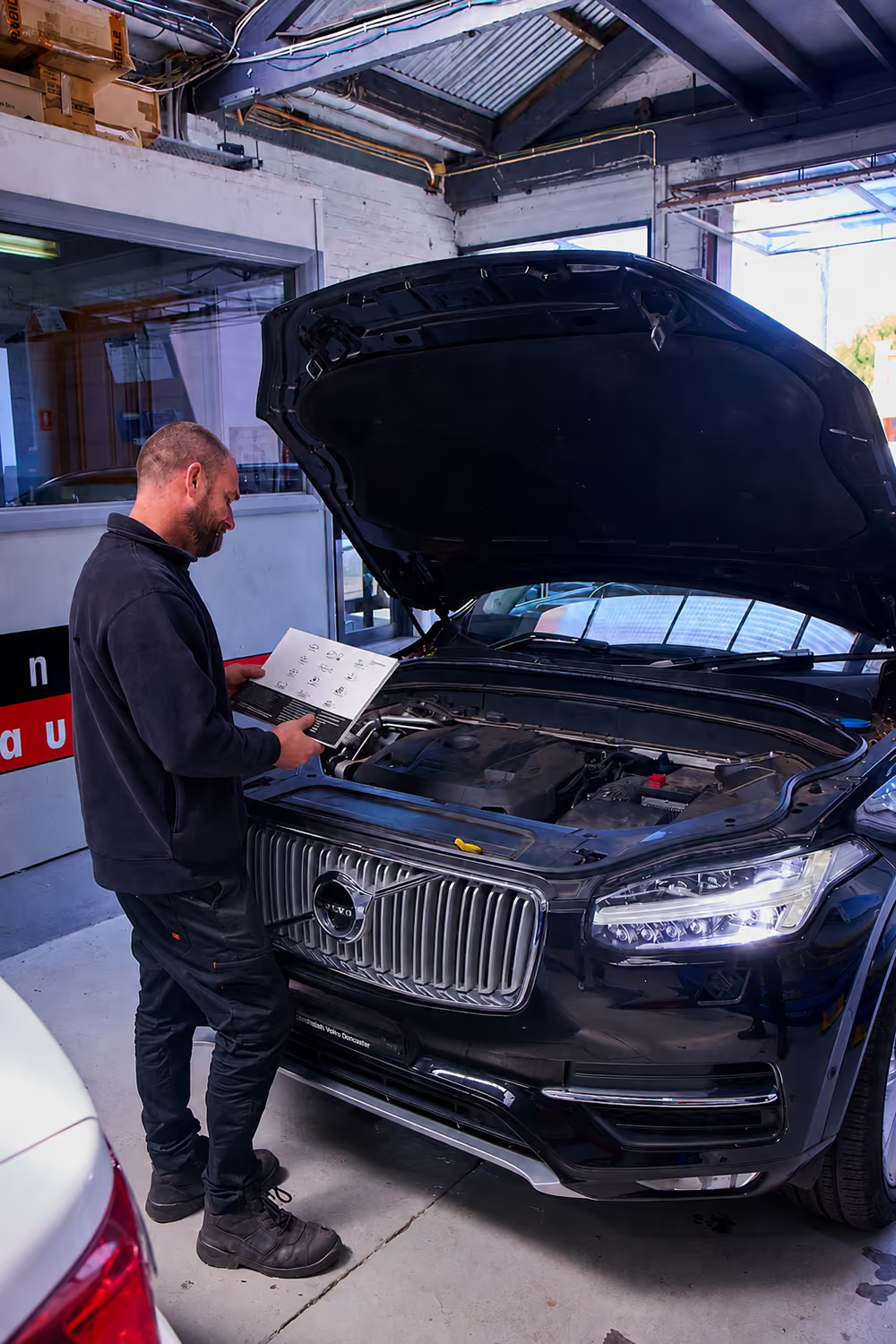
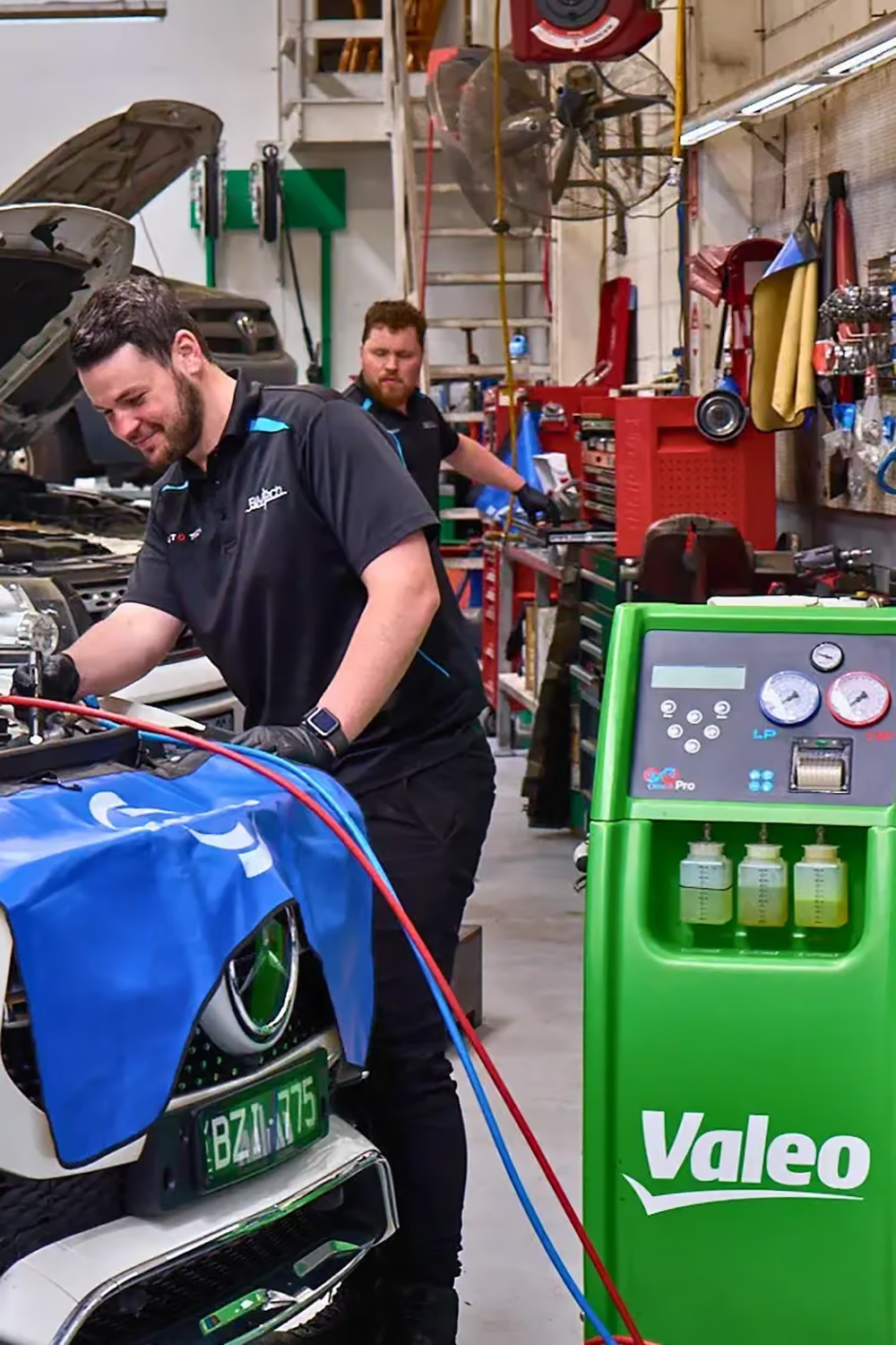
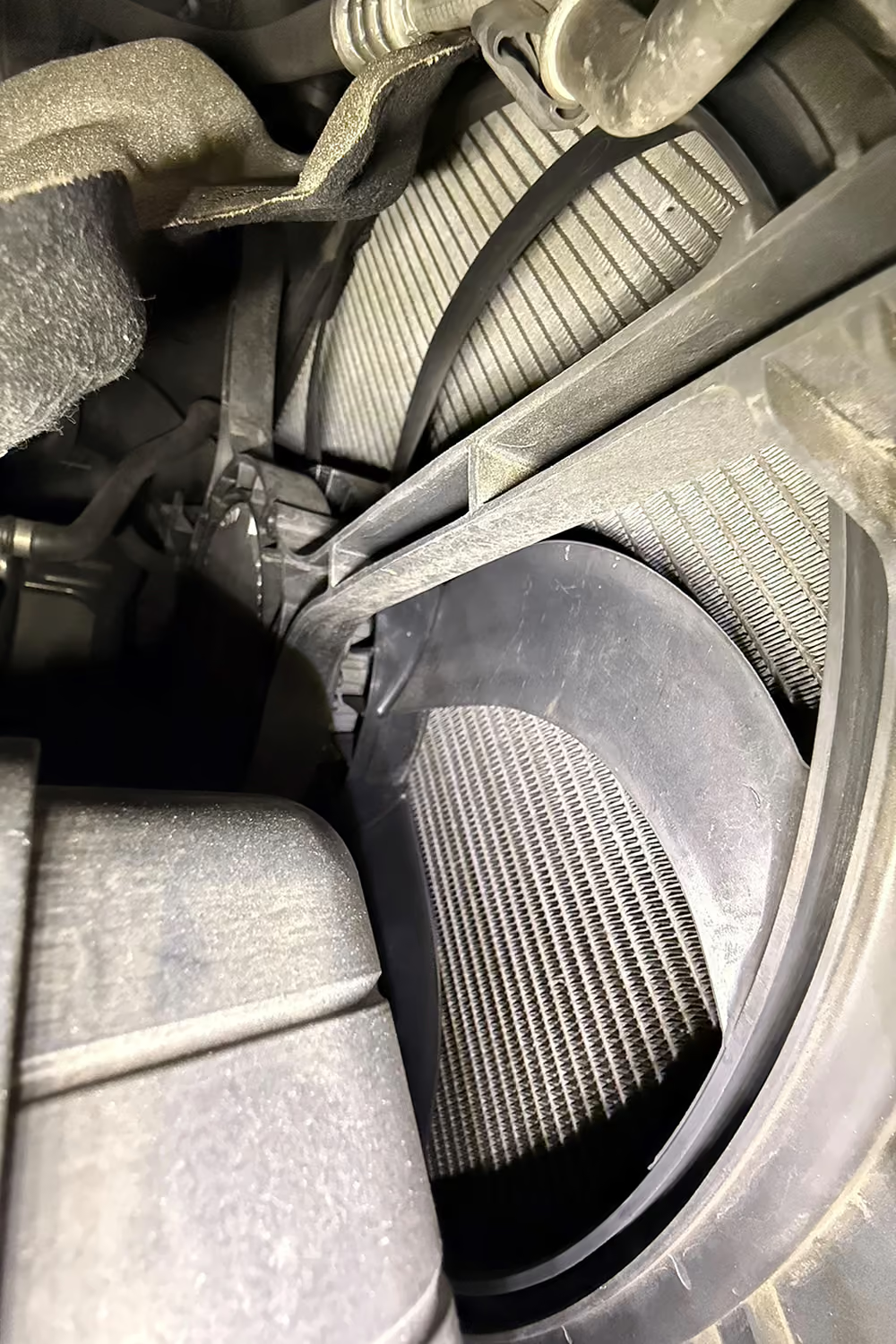
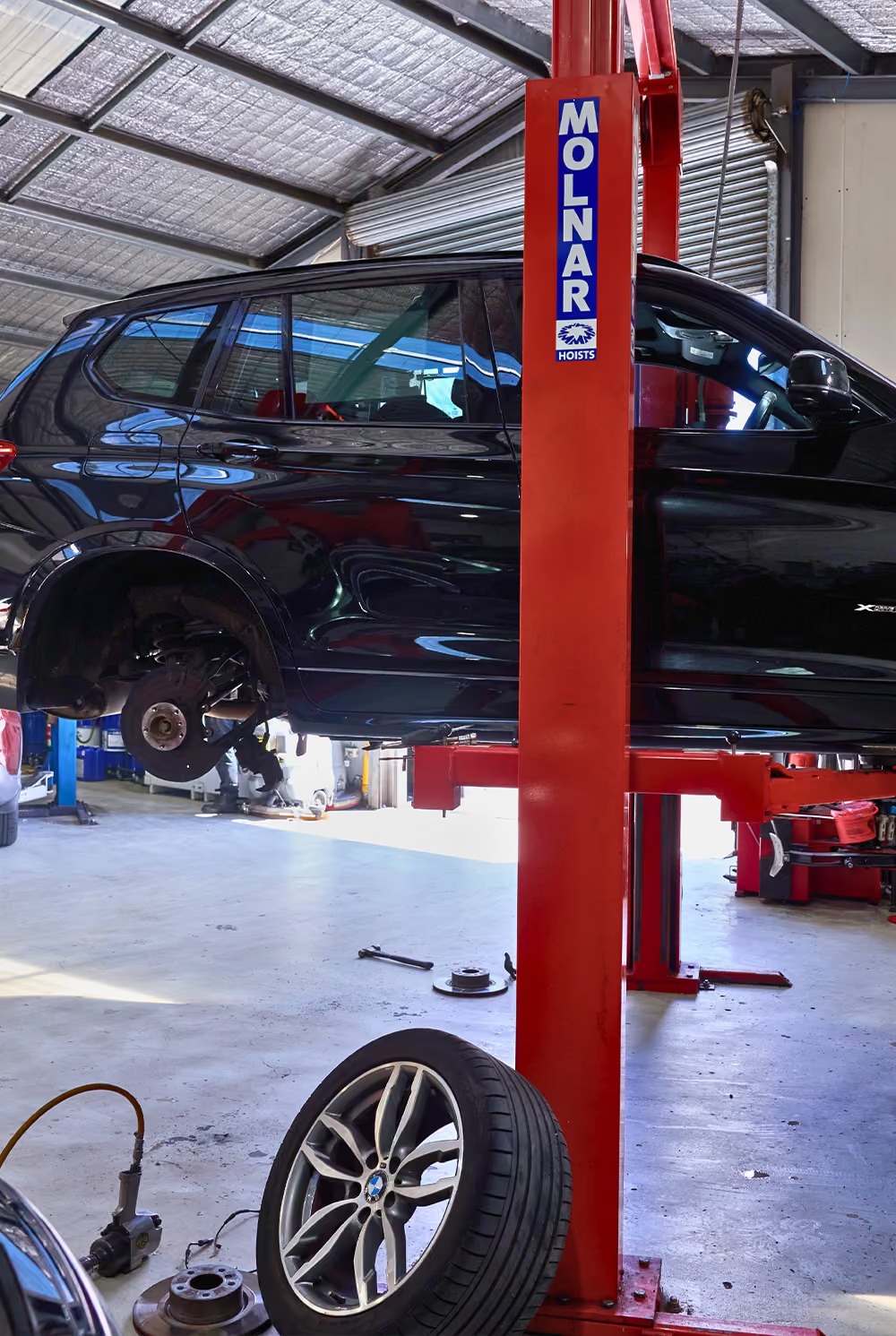
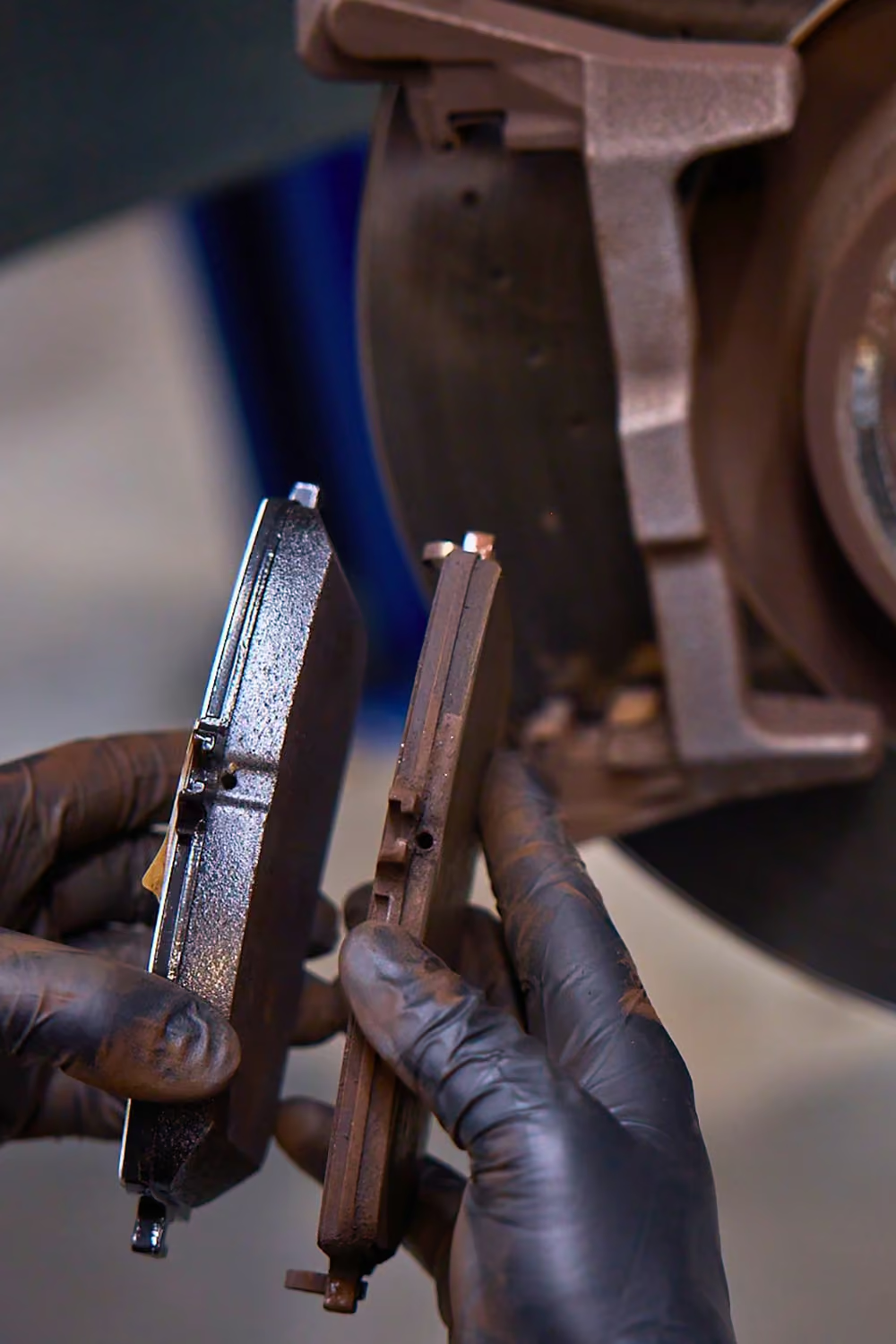
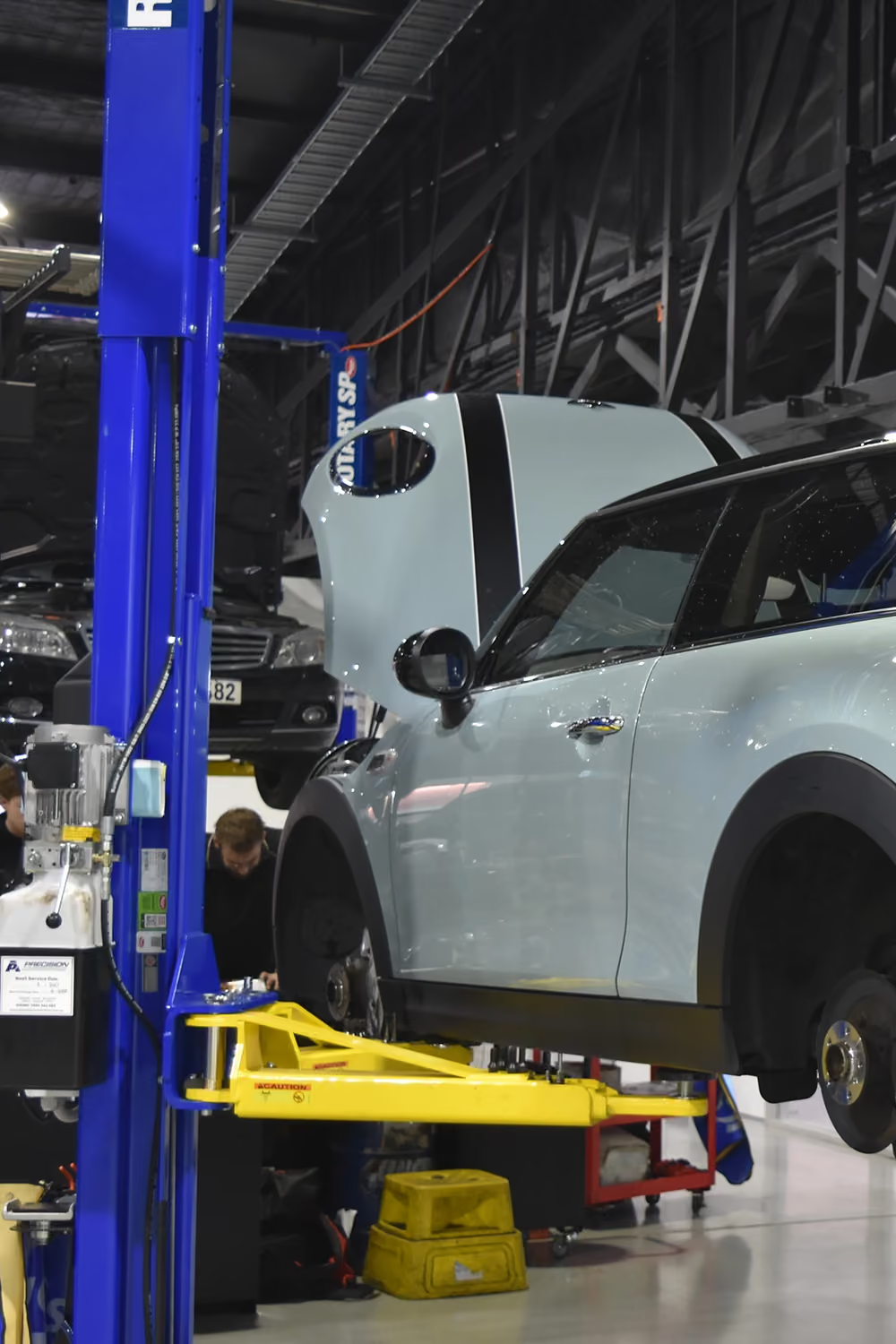
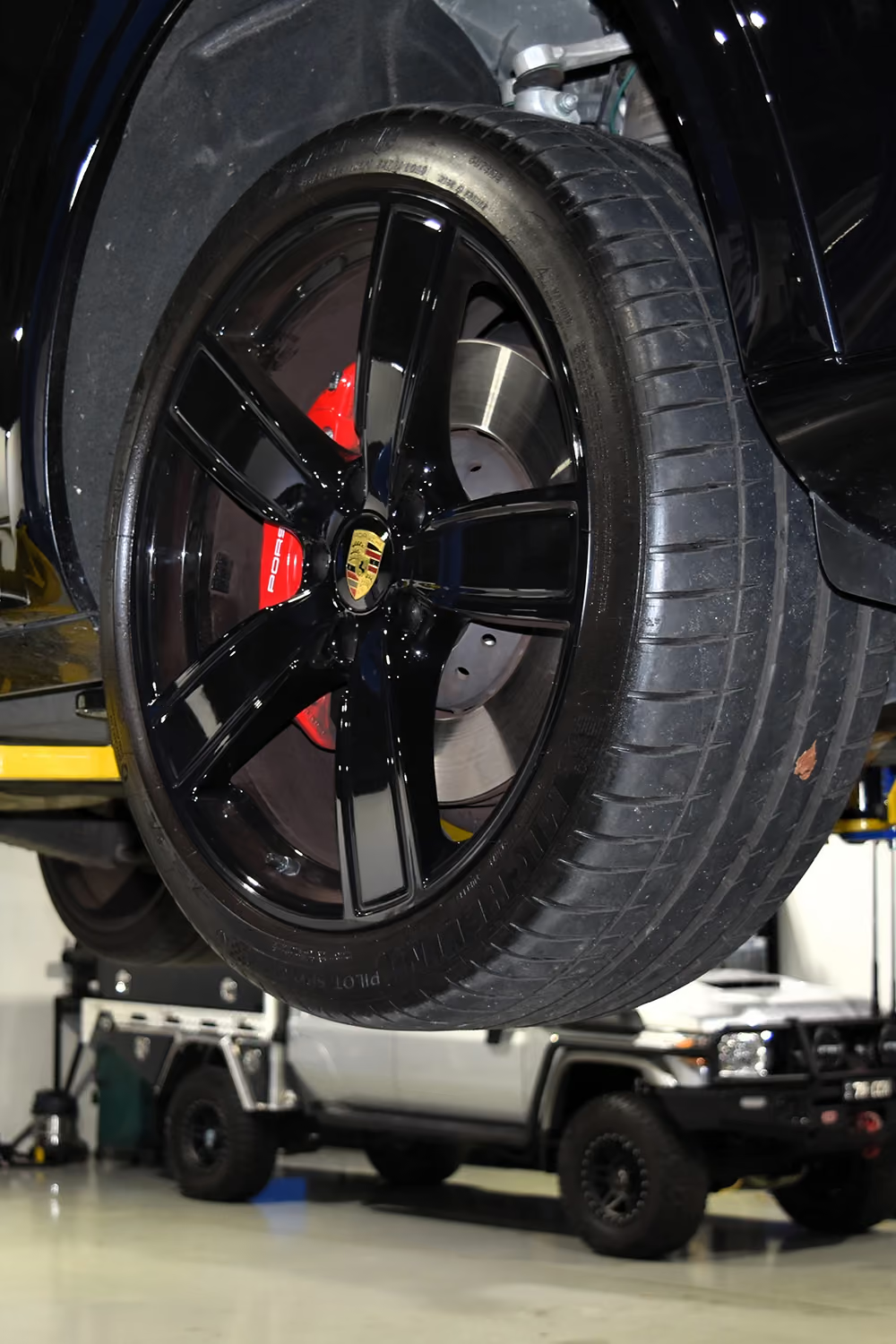
From routine maintenance to complex diagnostics and repairs, our experienced team provides a complete range of automotive services to keep your vehicle safe, reliable, and performing at its best.


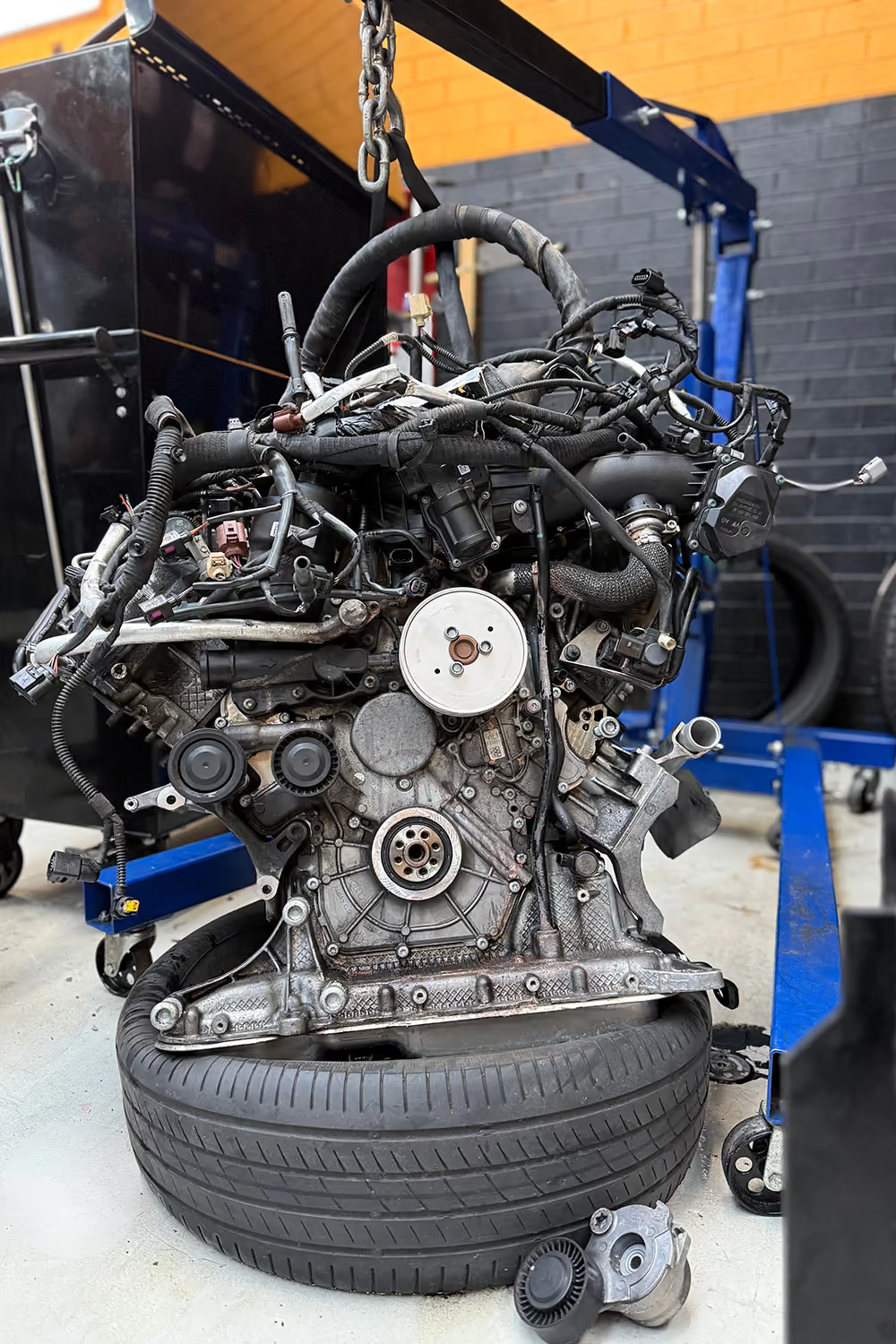
Why customers trust our approach
Clear explanations, accurate diagnostics, and no surprises are what customers appreciate most when dealing with emission system faults.
Avoid repeat emission faults
By properly diagnosing the emission system, we help prevent repeat faults and unnecessary repairs that increase long-term costs.
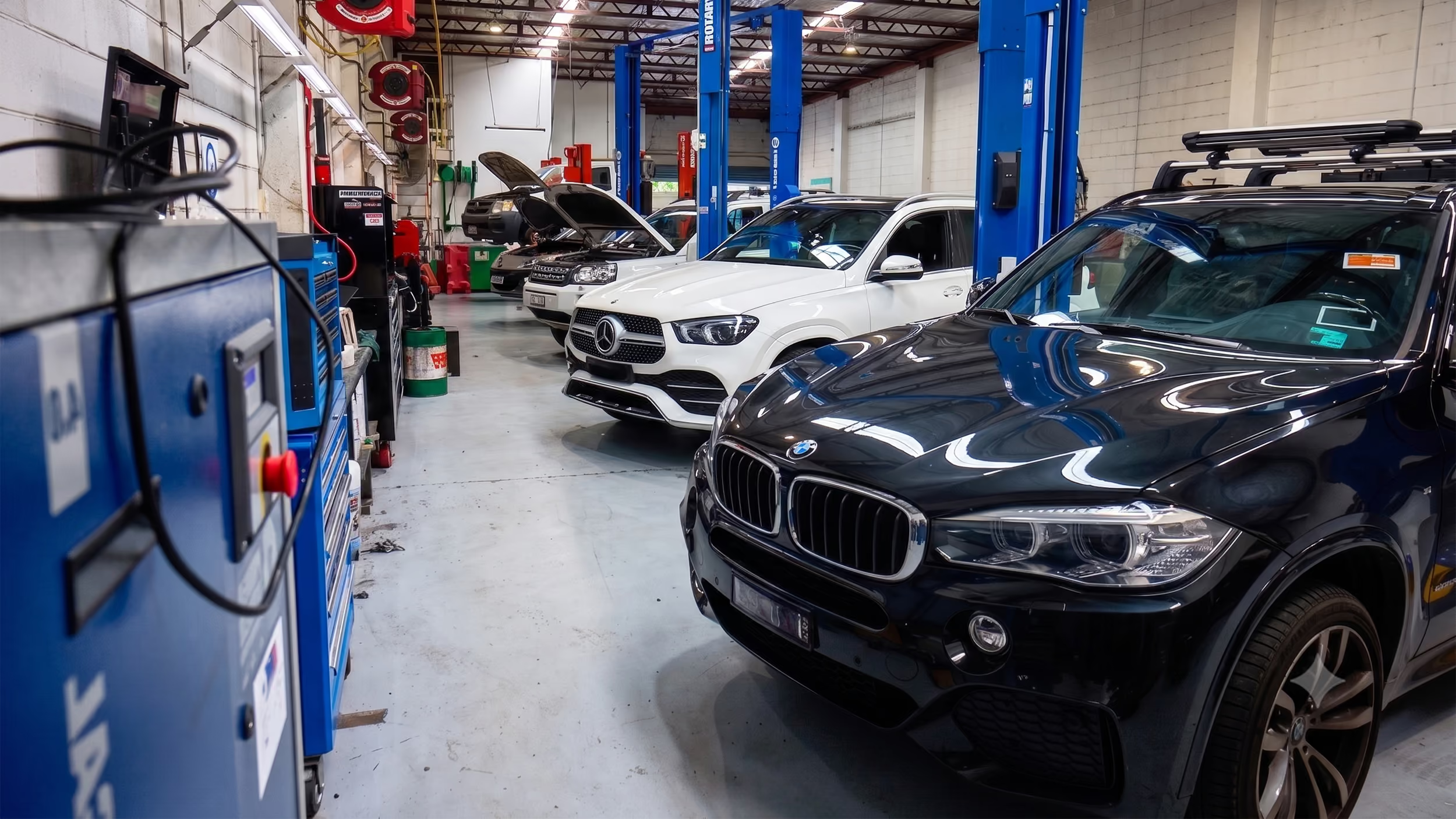
Our Melbourne workshop locations
Choose from our three workshop locations.
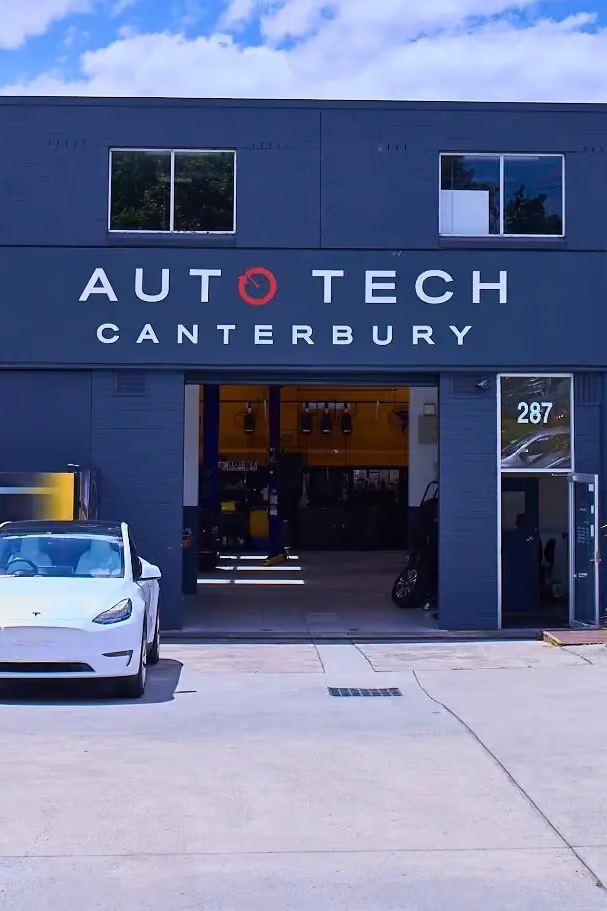
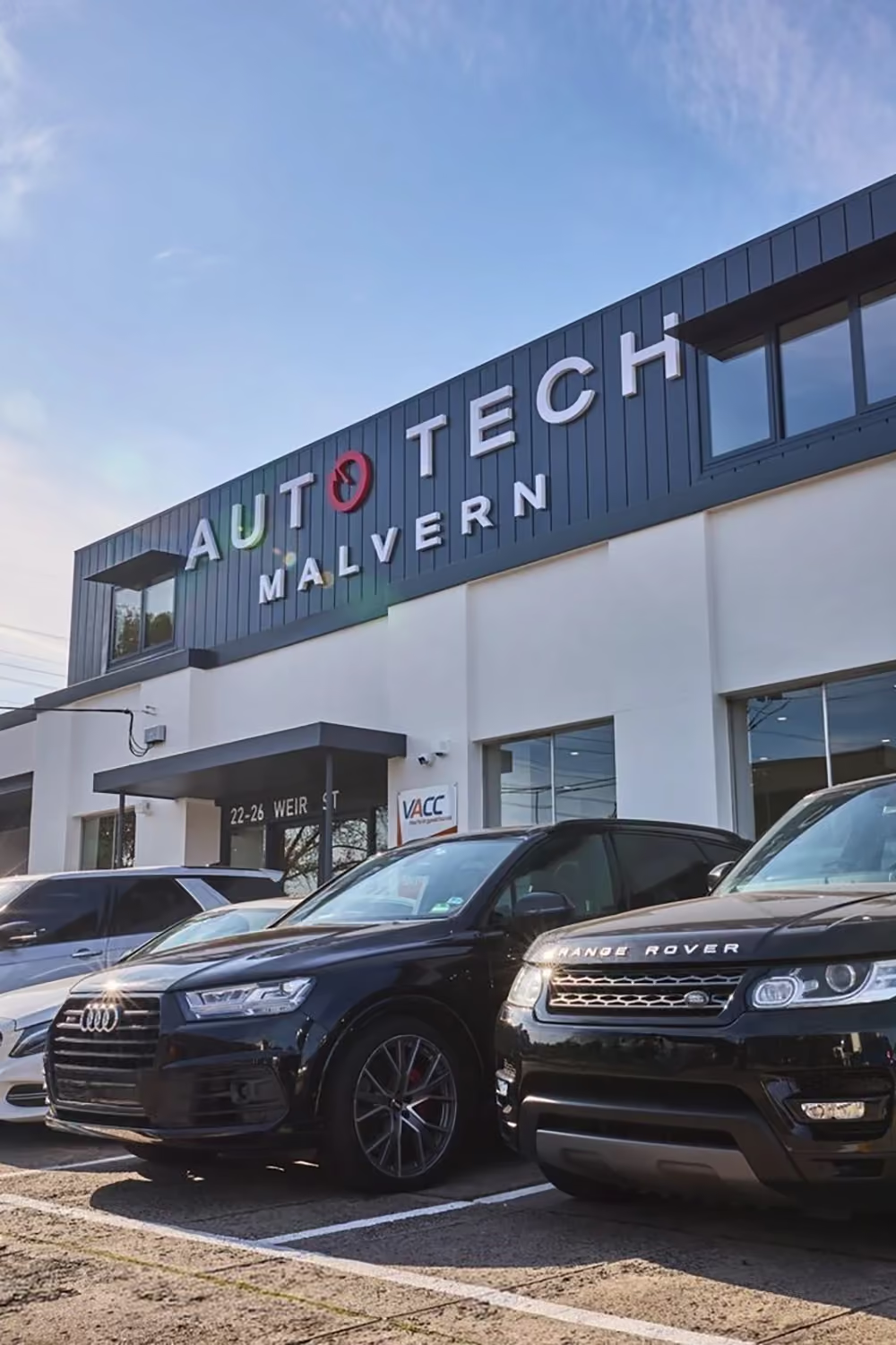
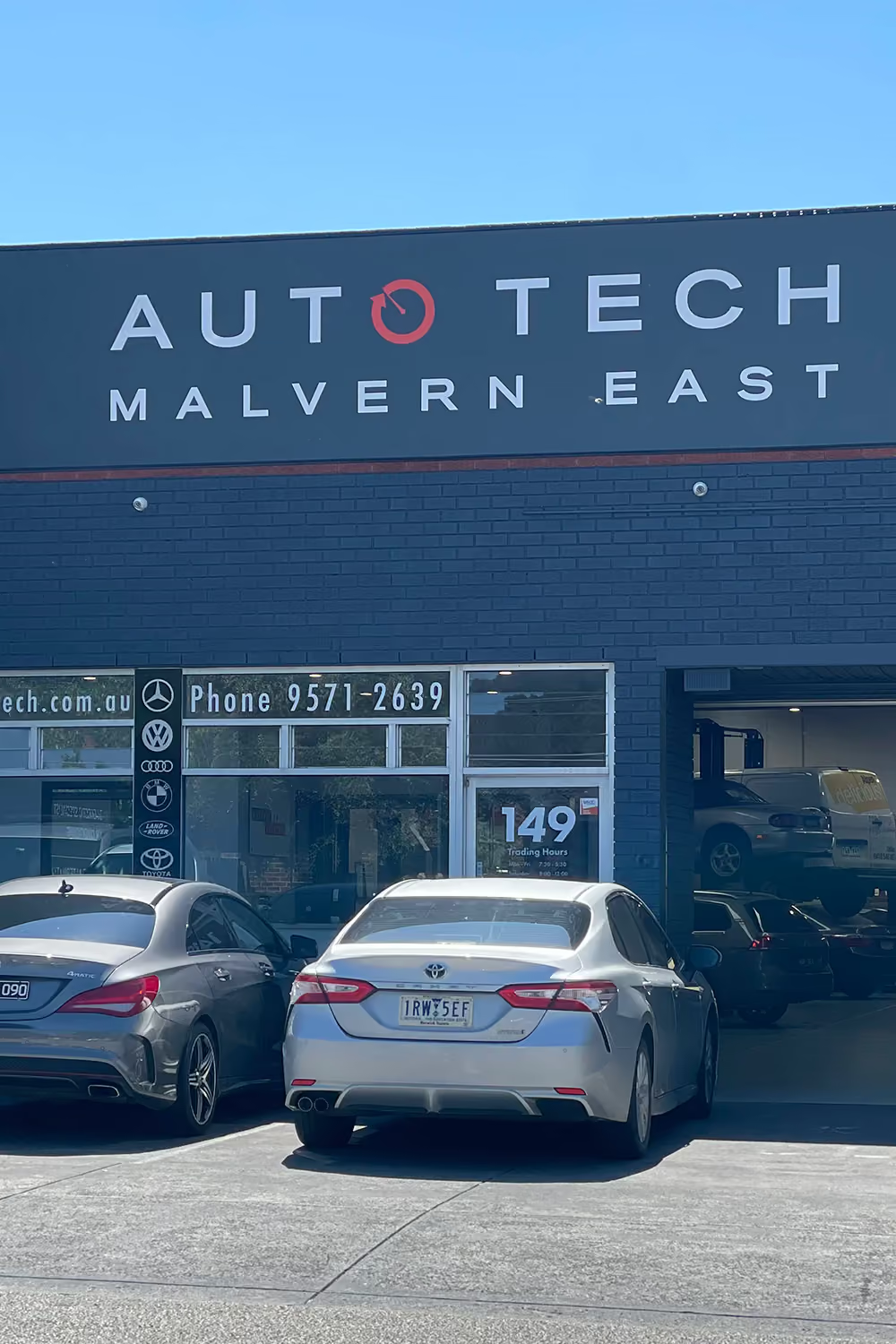
Emission diagnostics near you
Modern vehicles rely on complex emission control systems. Our local workshops make it easy to get these issues diagnosed properly, without relying on dealership servicing.
Inner east Melbourne suburbs
South-east Melbourne suburbs
South Melbourne and bayside suburbs
Inner south and city-fringe suburbs
Frequently asked questions
Emission system issues can be confusing, especially when the symptoms aren’t obvious. Here are some common questions around emission faults, repairs, and what they might cost.
What does it mean when my check engine light is on for emissions?
A check engine light related to emissions usually means something in the emission control system isn’t working as it should. This could be a faulty oxygen sensor, EVAP system leak, or catalytic converter issue. The light doesn’t always tell you exactly what’s wrong, which is why proper diagnostics are needed to identify the real cause.
How much does it cost to fix an emission control system problem?
The cost can vary depending on the cause of the issue. A simple fix, like a loose gas cap or sensor replacement, may be relatively minor, while more complex repairs, like a catalytic converter or an EVAP system fault, can be more expensive. The key is diagnosing the issue first, so you know the exact cost of the emission control system repair before any work begins.
Can I keep driving with an emission system problem?
In many cases, your car will still run, but it’s not recommended to ignore the issue. Emission faults can affect fuel efficiency and, over time, may lead to more serious engine or exhaust system damage. Getting it checked early helps avoid more costly repairs later.
What are the most common causes of emission system problems?
Common causes include faulty oxygen sensors, EVAP system leaks, a failing catalytic converter, or issues with fuel injectors and airflow sensors. Even something simple like a loose or damaged gas cap can trigger an emission system problem.
Will fixing the emission system turn off the check engine light?
Yes, once the underlying issue is properly diagnosed and repaired, the system resets, and the check engine light should turn off. Simply clearing the code without fixing the problem will usually cause the light to return.
Don’t ignore what your car’s telling you
Whether it’s a warning light, reduced performance or something that just feels off, let us know, and we’ll guide you through the next step.