Key Takeaways
- Regular car maintenance helps keep your vehicle running smoothly, safely, and efficiently.
- Following your manufacturer's maintenance schedule can reduce the risk of costly repairs and unexpected breakdowns.
- Routine checks of brakes, tyres, fluids, and filters help identify wear before it becomes a major problem.
- A well-maintained vehicle typically delivers better fuel efficiency, reliability, and resale value.
- Investing in regular maintenance today can extend your vehicle's lifespan and help you avoid larger repair bills in the future.
Why regular car maintenance matters
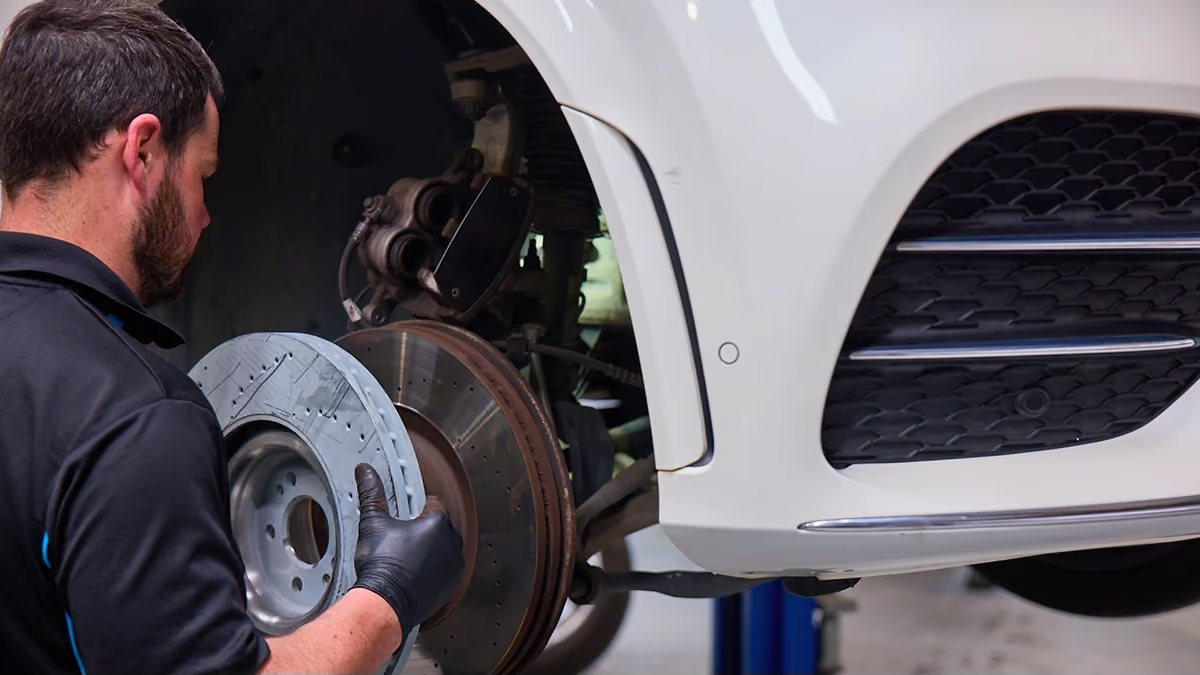
Regular car maintenance is one of the most effective ways to keep your vehicle running smoothly, safely, and efficiently. While it may be tempting to delay routine servicing when everything seems to be working normally, preventative maintenance helps identify wear and tear early, reducing the likelihood of unexpected breakdowns and costly repairs. Simple tasks such as regular oil changes, brake inspections, and replacing worn filters all help keep your vehicle in top condition.
Following your manufacturer's recommended maintenance schedule also helps improve fuel efficiency, extend your vehicle's lifespan, and preserve its resale value. Whether you drive a daily commuter or a prestige vehicle, investing in regular maintenance ensures your car continues to perform as intended while providing greater peace of mind every time you get behind the wheel.
The true cost of skipping maintenance
Routine maintenance is one of the smartest investments you can make as a vehicle owner. While scheduled servicing comes with predictable costs, delaying maintenance can lead to expensive, often avoidable repairs. Comparing the two highlights why staying on top of your maintenance schedule can save you money over the long term.
Preventative maintenance
Planned servicing at regular intervals
Designed to keep your vehicle in top condition and identify wear before it becomes a major issue.
Includes:
- Regular oil changes and filter replacement
- Brake, tyre, and fluid inspections
- Scheduled maintenance based on manufacturer recommendations
Reactive repairs
Unexpected repairs caused by delayed maintenance
Often required when small problems are left unchecked and develop into more serious mechanical failures.
Includes:
- Engine or transmission repairs
- Brake and suspension component replacement
- Repairs resulting from overheating, fluid leaks, or excessive wear
Five maintenance habits every driver should build
Keeping your vehicle safe on the road isn't just about responding to problems as they arise. Building a few simple maintenance habits into your routine can improve reliability, reduce repair costs, and help ensure your car remains in excellent condition throughout its life.
Follow your maintenance schedule
Servicing your vehicle at the manufacturer's recommended intervals helps ensure essential maintenance tasks are completed before wear affects performance or reliability.
Check tyres regularly
Inspect tyre pressure and tread depth at regular intervals. Properly maintained tyres improve handling, braking, fuel economy, and overall road safety.
Respond to warning lights promptly
Dashboard warning lights are designed to alert you to developing issues. Addressing them early can help prevent minor faults from becoming major repairs.
Monitor essential fluid levels
Regularly checking engine oil, coolant, brake fluid, and washer fluid helps keep your vehicle running smoothly and reduces the risk of unnecessary wear.
Inspect your brakes
Listen for unusual noises, pay attention to braking performance, and have your brake pads inspected during routine servicing to help keep your vehicle safe on the road.
Keep service records up to date
Maintaining a complete service history demonstrates that your vehicle has been properly cared for, supports warranty requirements, and can improve resale value when it's time to sell.
Which maintenance tasks matter most?
Not every maintenance task is required at every service, but some components deserve regular attention throughout your vehicle's life. Keeping up with these essential maintenance tasks helps improve reliability, supports fuel efficiency, and reduces the likelihood of expensive repairs later on.
- Improve reliability and performance
- Reduce long-term maintenance costs
- Help extend your vehicle's lifespan
Engine oil and oil filter
Regular oil changes are one of the most important maintenance tasks. Clean engine oil lubricates moving components, reduces wear, and helps keep your engine running efficiently.
Brakes and brake fluid
Routine brake inspections help identify worn brake pads, discs, and ageing brake fluid before they affect stopping performance or safety.
Tyres and wheel alignment
Checking tyre condition, pressure, and wheel alignment promotes even tyre wear, improves handling, and supports better fuel efficiency.
Air and cabin filters
Replacing clogged air filters helps maintain engine performance, while a clean cabin filter improves airflow and interior air quality.
Battery and charging system
Regular battery checks can identify signs of weakening performance before they leave you stranded or affect your vehicle's electrical systems.
Diagnostic inspections
Modern vehicles rely on advanced electronics and onboard computers. Routine diagnostic checks help identify hidden faults early, allowing repairs to be completed before they become more serious.
What happens when maintenance is ignored?
Small maintenance issues rarely stay small for long. Delaying routine servicing or overlooking early warning signs can lead to reduced performance, expensive repairs, and unnecessary safety risks. Recognising these common symptoms early can help keep your vehicle running smoothly and safely.
Dashboard warning lights
Warning lights often indicate developing mechanical or electrical issues. Ignoring them can allow minor faults to escalate into more complex and costly repairs.
Reduced fuel efficiency
If you're visiting the fuel station more often than usual, overdue maintenance, worn filters, incorrect tyre pressures, or engine issues may be affecting your vehicle's fuel economy.
Brake performance changes
Squealing noises, vibrations, or a longer stopping distance may indicate worn brake pads, ageing brake fluid, or other braking system issues that require prompt attention.
Fluid leaks
Oil, coolant, brake fluid, or transmission fluid leaks can cause serious mechanical damage if left unaddressed. Regular inspections help detect leaks before they become major problems.
Engine overheating
Low coolant levels, cooling system faults, or neglected maintenance can cause the engine to overheat, increasing the risk of significant engine damage.
Excessive wear and tear
Skipping scheduled maintenance accelerates normal wear, shortening the lifespan of components such as tyres, suspension parts, belts, and batteries while increasing future repair costs.
Is a maintenance plan worth it?
For most drivers, following a regular maintenance plan is one of the simplest ways to keep a vehicle reliable and avoid unexpected repair bills. Scheduling routine servicing around your manufacturer's recommended maintenance schedule helps ensure essential maintenance tasks are completed on time, making it easier to budget for ongoing vehicle care while reducing the risk of costly mechanical failures.
A proactive maintenance plan can also deliver long-term benefits beyond reliability, including:
- More predictable servicing and maintenance costs.
- Better fuel efficiency and overall vehicle performance.
- A longer lifespan for major components such as the engine, brakes, and transmission.
- A complete service history that supports warranty requirements and resale value.
- Greater confidence that your vehicle is safe, reliable, and ready for everyday driving.
Why service history matters when it's time to sell
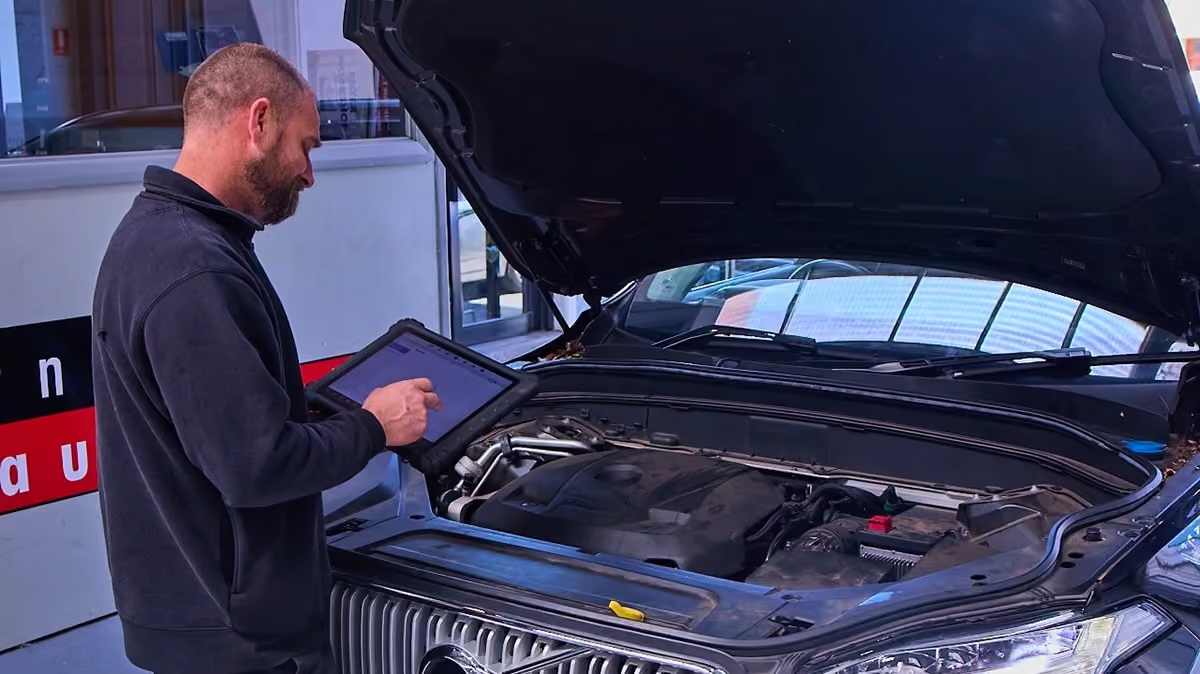
A well-maintained vehicle is often more attractive to prospective buyers because it demonstrates consistent care and responsible ownership. While regular servicing helps keep your vehicle running smoothly throughout its life, maintaining a complete service history can also strengthen buyer confidence and support a higher resale value when it's time to sell or trade in.
Service records also provide evidence that your vehicle has been maintained according to the manufacturer's recommended maintenance schedule. They show that essential maintenance tasks have been completed at the appropriate intervals and can reassure buyers that the vehicle has been properly cared for.
For prestige vehicles in particular, a documented maintenance history can make a significant difference when comparing similar vehicles on the market.
The best repair is the one you never need
Regular maintenance is one of the simplest ways to reduce repair costs, improve reliability, and keep your vehicle performing at its best. If it's time for your next service or you'd like expert advice on maintaining your prestige vehicle, our experienced technicians are here to help.
Frequently asked questions
How often should I service my car?
The recommended service interval depends on your vehicle's make, model, age, and driving conditions. Most manufacturers provide a maintenance schedule in the owner's manual, outlining when routine maintenance should be completed. Following these recommendations helps keep your vehicle running smoothly and can reduce the risk of costly repairs.
Can regular car maintenance really save me money?
Yes. Regular maintenance helps identify wear and tear before it develops into major mechanical problems. Investing in routine servicing, oil changes, and inspections is often far less expensive than repairing an engine, transmission, or braking system after a failure.
Which maintenance tasks should never be delayed?
Some maintenance items are particularly important for safety and reliability, including brake inspections, engine oil changes, tyre checks, fluid replacements, and battery testing. Delaying these services can increase wear, reduce performance, and affect your vehicle's safety.
Does regular servicing improve fuel efficiency?
It can. A well-maintained vehicle with clean engine oil, properly inflated tyres, clean air filters, and correctly functioning components generally operates more efficiently than one with overdue maintenance, helping improve fuel economy over time.
Will regular maintenance help protect my car's resale value?
Yes. A complete service history demonstrates that the vehicle has been maintained according to the manufacturer's recommendations. Buyers are often more confident purchasing a well-maintained vehicle with documented servicing, which may also support a stronger resale value.
Should prestige vehicles be serviced by specialists?
Prestige vehicles often use advanced engineering and manufacturer-specific systems that benefit from specialist knowledge and diagnostic equipment. Choosing an experienced prestige vehicle workshop helps ensure maintenance is completed correctly and in line with manufacturer requirements.
Table of contents