.avif)
Key Takeaways
- Range Rover ownership offers luxury, comfort, and genuine off-road capability, but regular maintenance is essential.
- Servicing costs vary by model, age, mileage, and how well the vehicle has been maintained.
- Air suspension, cooling systems, and electrical components are among the most common areas requiring attention.
- Choosing the right Range Rover model and staying ahead of preventative maintenance can reduce long-term ownership costs.
- A Land Rover specialist can identify issues early and help keep your Range Rover performing at its best.
Is owning a Range Rover worth it?
Owning a Range Rover means enjoying one of the world's most recognisable luxury SUVs, known for its premium comfort, advanced technology, and genuine off-road capability. Whether you're looking at a Range Rover Sport, Evoque, Velar, or another model, ownership can be incredibly rewarding when you understand the servicing requirements and long-term running costs.
Like any prestige vehicle, a Range Rover performs best with regular maintenance and specialist care. This guide brings together everything Australian buyers and owners should know, from reliability and ownership costs to common problems, preventative maintenance, and warranty considerations, helping you make informed decisions at every stage of ownership.
Range Rover reviews: Pros and cons from major sources
Before comparing specific models or discussing ownership costs, it's helpful to understand why the Range Rover remains one of the world's most desirable luxury SUVs despite its reputation for higher maintenance.
Whether you read expert reviews or hear from long-term Range Rover owners, the same strengths and trade-offs appear consistently. Most owners value the comfort, capability, and prestige, while recognising that proactive maintenance is part of owning a premium Land Rover.
How much does Range Rover maintenance really cost?
Maintenance costs vary depending on your Range Rover's model, age, service history, and the type of work required. Routine servicing is generally predictable, while major component repairs can significantly increase ownership costs if maintenance has been delayed. The examples below provide a general guide to what owners can expect.
Air suspension & common system vulnerabilities
While Range Rovers are engineered for luxury and capability, they're also complex vehicles with advanced mechanical and electronic systems. Knowing which components require the most attention can help you identify problems early, reduce repair costs, and avoid unexpected breakdowns.
Air suspension leaks
A sagging ride height or uneven stance often points to leaking air struts or worn suspension components. Early diagnosis can prevent additional compressor damage.
Compressor failure
If the air suspension compressor is overworked, it may struggle to maintain ride height or trigger suspension warning messages.
Cooling system issues
Radiators, thermostats, hoses, and water pumps can wear out over time. Addressing coolant leaks early helps reduce the risk of engine overheating.
Electrical faults
Warning lights, sensor failures, infotainment glitches, and battery-related issues are common on ageing Range Rover models and usually require specialist diagnostics.
Transmission concerns
Delayed gear changes, harsh shifting, or unusual noises can indicate transmission or driveline wear that should be inspected promptly.
Battery and charging problems
Modern Range Rovers rely on stable battery voltage. A weak battery can trigger multiple warning lights and affect the operation of electronic systems.
Golden rules for Range Rover owners
- Stay ahead of preventative maintenance
- Address warning signs early
- Choose specialist servicing
Follow the recommended service schedule
Routine servicing helps keep your Range Rover reliable and allows technicians to identify wear before it develops into a major repair.
Don't ignore warning lights
Modern Range Rovers use advanced onboard diagnostics. Investigating warning lights early can help prevent more extensive mechanical or electrical issues.
Check fluids regularly
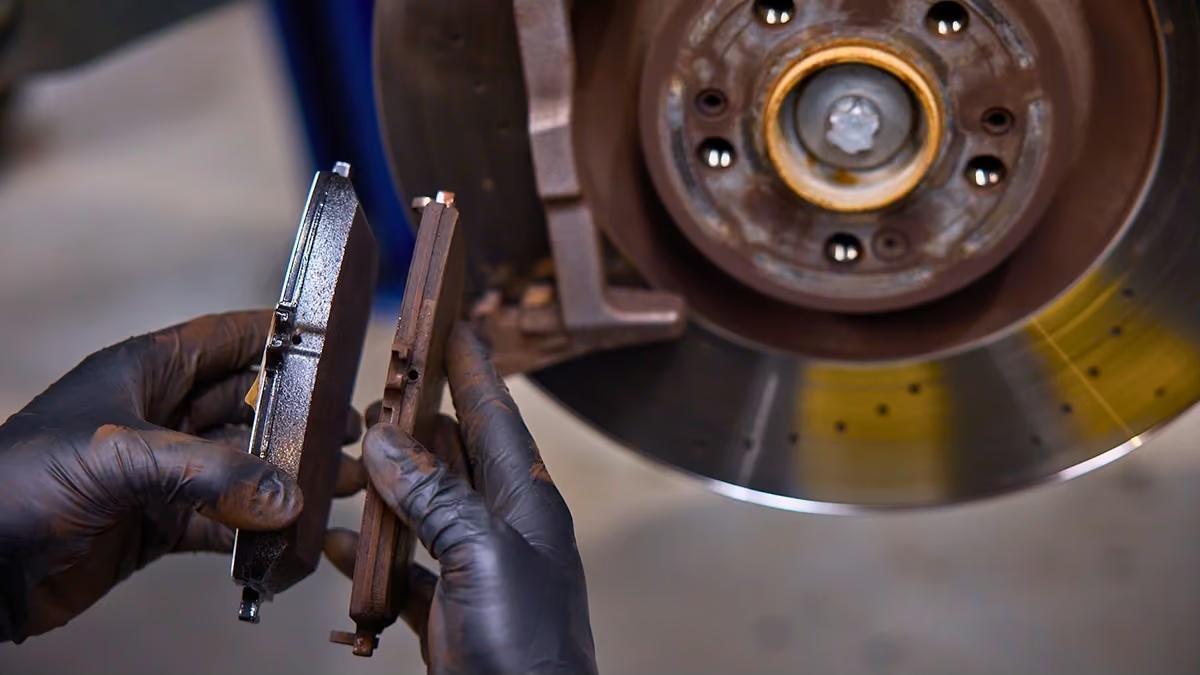
Monitoring engine oil, coolant, brake fluid, and other essential fluids between services supports performance and helps protect critical components.
Prepare before towing or off-road driving
Inspect tyres, brakes, suspension, and fluid levels before demanding trips to reduce unnecessary wear and improve safety.
Use quality replacement parts
OE-quality or genuine parts are designed to meet manufacturer specifications and can help maintain reliability and performance.
Service with a Land Rover specialist
Experienced technicians understand common Range Rover issues, use specialised diagnostic equipment, and can provide maintenance tailored to your vehicle.

Protect your Range Rover from Australia's harsh climate
Australia's heat, UV exposure, and varying road conditions can accelerate wear on your Range Rover. Parking in the shade where possible, regularly cleaning and conditioning leather trim, washing away road grime, and checking coolant levels before summer can help preserve both the vehicle's appearance and long-term performance.
Safety & ownership essentials every Range Rover owner should know
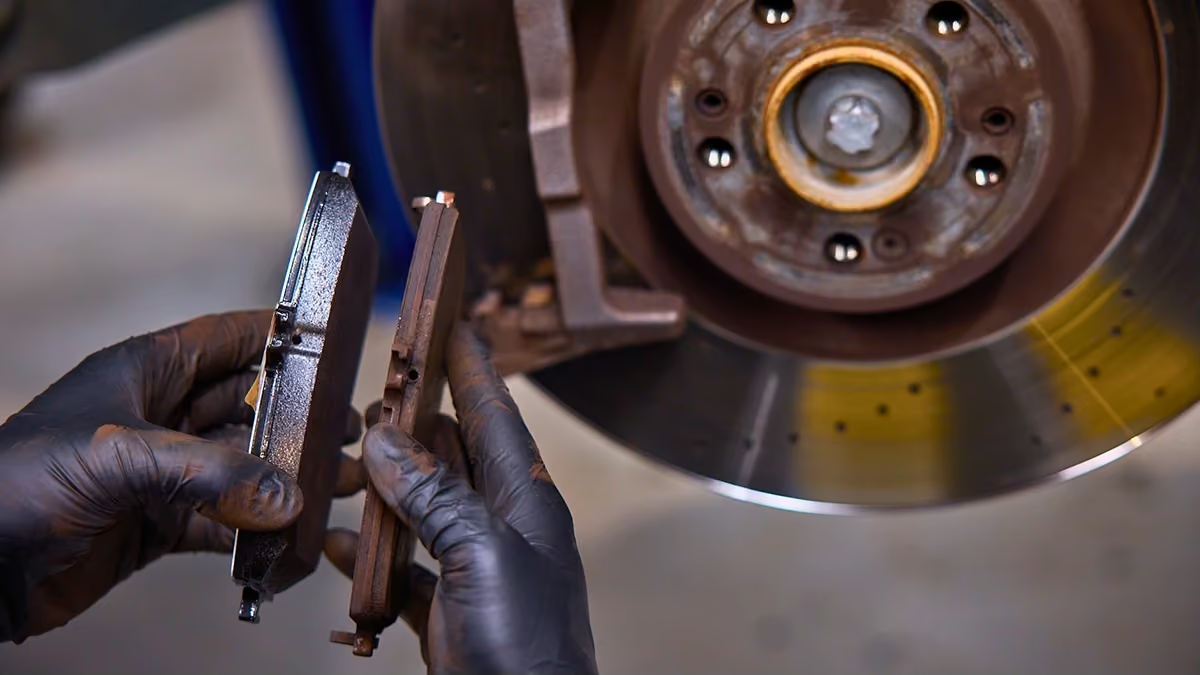
Looking after a Range Rover goes beyond routine servicing. Simple maintenance habits and prompt attention to warning signs can improve safety, help prevent unnecessary repairs, and keep your vehicle performing as intended.
Respond to dashboard warning lights
Never ignore warning lights. Modern Range Rovers monitor critical systems, and early diagnosis can prevent more serious mechanical or electrical faults.
Keep tyres in safe condition
Inspect tyre pressure and tread regularly, particularly before long trips, towing, or off-road driving. Properly maintained tyres improve handling and braking performance.
Check essential fluid levels
Engine oil, coolant, brake fluid, and other fluids should be checked periodically between scheduled services to help protect major vehicle components.
Protect your vehicle from extreme heat
Parking in shaded areas and using a windscreen sunshade can help reduce UV damage to leather, trim, and electronic displays during Australian summers.
Service using manufacturer-approved procedures
Following the recommended maintenance schedule and using OE-quality or genuine parts helps maintain your Range Rover's reliability and supports warranty compliance.
Book inspections before major trips
If you're planning a holiday, towing, or an off-road adventure, a pre-trip inspection can identify worn components before they become a safety concern.
Range Rover warranty & roadside assistance explained
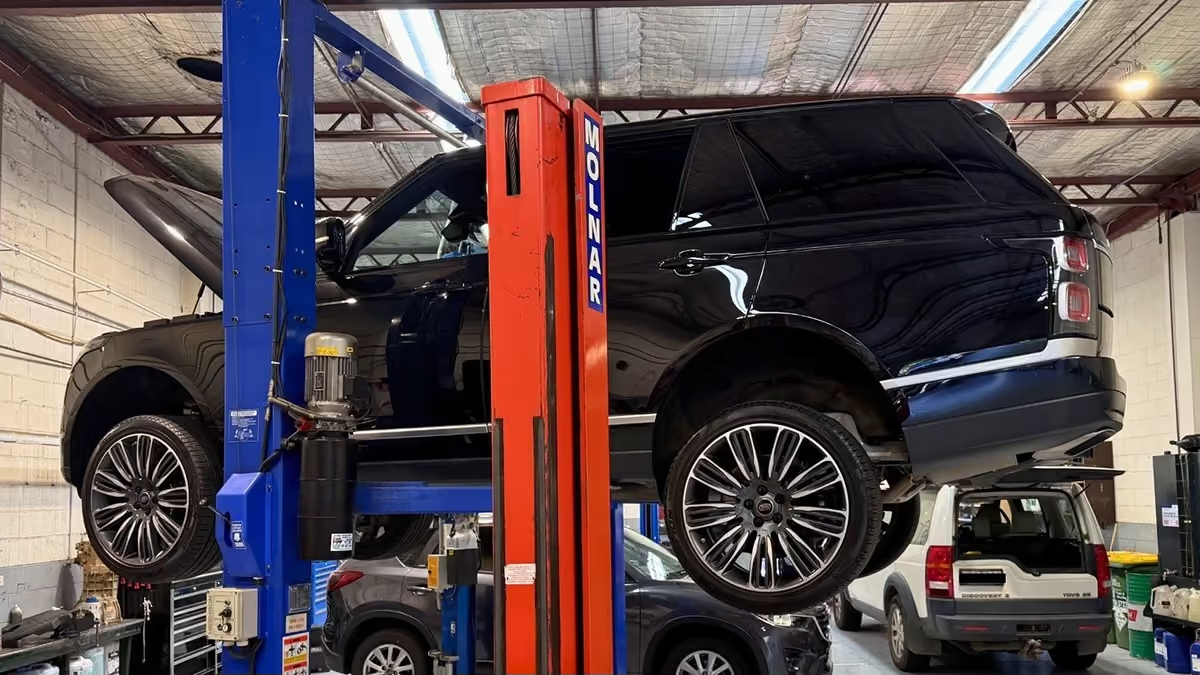
Understanding your warranty and roadside assistance options can help you avoid unexpected costs and make informed servicing decisions. Whether your Range Rover is still covered by the manufacturer's warranty or you're maintaining an older model, knowing your rights and responsibilities is an important part of ownership.
New Range Rovers are sold with a manufacturer's warranty, while many used vehicles may be covered by an extended warranty or Australian Consumer Law consumer guarantees. Roadside assistance can also provide valuable support if you experience a breakdown, flat battery, or other unexpected issue. Regardless of your vehicle's age, following the recommended service schedule and keeping accurate service records helps protect both reliability and resale value.
What's covered
- Manufacturer warranties apply for a set period on new vehicles.
- Many owners choose extended warranties for additional peace of mind.
- Independent specialist servicing can maintain your warranty when manufacturer requirements are followed.
- Roadside assistance can help with common breakdown situations, depending on your level of cover.
- Keeping detailed service records supports warranty claims and future resale.
- Always check the terms and exclusions of your warranty or roadside assistance policy before relying on its coverage.
Ready to keep your Range Rover performing at its best?
Whether you're booking routine maintenance, investigating a warning light, or preparing to buy a used Range Rover, Auto Tech Group's experienced technicians are here to help. We provide transparent advice, specialist diagnostics, and warranty-compliant servicing to help you enjoy confident Range Rover ownership.
Frequently asked questions
Can I service my Range Rover without going to a dealership?
Yes. Under Australian Consumer Law, you can have your Range Rover serviced by a qualified independent workshop without voiding the manufacturer's warranty, provided the vehicle is serviced according to the manufacturer's specifications using fit-for-purpose or genuine parts. This gives owners the flexibility to choose a trusted specialist for logbook servicing while remaining warranty-compliant.
How often should a Range Rover be serviced?
Most Range Rover models should be serviced according to the manufacturer's recommended intervals, typically every 12 months or as indicated by the vehicle's service monitoring system. Regular servicing allows technicians to inspect critical components before small issues become expensive repairs. If you're unsure what your vehicle needs, booking a vehicle safety inspection can help identify any developing faults before they worsen.
Which Range Rover model is the most reliable?
Reliability varies by model year, engine, and maintenance history. Well-maintained examples of the Range Rover Evoque, Velar, Range Rover Sport, and other Land Rover models can all provide dependable ownership when serviced correctly. Rather than focusing solely on the model, it's more important to review the vehicle's service records and have a professional inspection completed before purchasing. If you're buying used, a pre-purchase inspection can help uncover hidden mechanical or electrical issues before you commit.
Are Range Rovers expensive to maintain?
Range Rovers generally cost more to maintain than mainstream SUVs because they use premium components and advanced technology. Routine servicing is usually predictable, but repairs involving air suspension, cooling systems, or electronics can be more costly if maintenance has been delayed. Staying on top of preventative servicing often reduces long-term ownership costs.
Is roadside assistance included with a Range Rover?
New Land Rover vehicles include manufacturer roadside assistance during the warranty period, and eligible owners may also receive additional roadside assistance after scheduled servicing through authorised Land Rover programs. The level of cover depends on your vehicle, warranty status, and servicing history, so it's worth checking the terms that apply to your model.
Is an extended warranty worth considering?
An extended warranty may provide additional peace of mind for some owners, particularly as vehicles age and repair costs increase. However, it's important to compare the coverage, exclusions, and cost against your rights under Australian Consumer Law, which continue to apply regardless of any manufacturer's warranty. Reviewing the policy carefully before purchasing can help you decide whether it offers genuine value for your circumstances.
Table of contents