
Key Takeaways
- EVs offer lower running and maintenance costs, but purchase prices are still generally higher than those of petrol vehicles.
- Home charging is the most convenient and cost-effective way to own an electric vehicle.
- Driving range and charging infrastructure continue to improve, although they may still influence long-distance travel planning.
- Battery technology is designed for long-term use, with many manufacturers providing extended battery warranties.
- The best EV for you depends on your budget, driving habits and access to charging.
Electric cars: Pros and cons for Australian drivers
EVs have become an increasingly practical choice for many Australians, offering lower running costs, quieter driving and fewer moving parts than traditional petrol vehicles. However, they're not the right fit for everyone. Before you buy an EV, it's important to consider your budget, driving habits, access to charging and long-term ownership expectations.
| Advantages | Considerations |
|---|---|
| Lower running costs thanks to reduced fuel and routine maintenance expenses | Higher upfront purchase price than many comparable petrol vehicles |
| Instant torque provides smooth, responsive acceleration | Public charging infrastructure continues to improve but varies between locations |
| Fewer moving parts can reduce long-term maintenance requirements | Apartment living or limited off-street parking may make home charging more difficult |
| Quiet, refined driving experience with zero tailpipe emissions | Longer trips may require more planning around charging stops |
| Eligible models may benefit from government incentives or salary packaging options | Battery performance and driving range can vary depending on climate and driving conditions |
If most of your driving is around town or on predictable daily routes, an EV may offer significant savings and convenience, particularly if you can charge at home. However, drivers who regularly travel long distances, tow heavy loads or have limited access to charging may find that a petrol, hybrid or plug-in hybrid vehicle better suits their current needs.
Petrol vs electric: Comparing running and maintenance costs
While EVs generally cost more to purchase than comparable petrol vehicles, many owners offset that difference through lower day-to-day running and maintenance costs. The right choice depends on how much you drive, where you charge and how long you plan to keep your vehicle.
EV ownership
Higher upfront investment, lower ongoing costs
EVs typically have a higher purchase price, but they require less routine maintenance thanks to fewer moving parts. Charging at home is often significantly cheaper than refuelling with petrol, particularly if you have access to off-peak electricity or solar panels.
Typical ownership costs include:
- Home or public EV charging
- Tyre replacement
- Brake fluid and cabin filter servicing
- Tyre rotations and wheel alignments
- Periodic inspections and software updates
Petrol vehicle ownership
Lower purchase price, higher ongoing maintenance
Petrol vehicles are generally more affordable to buy, but they require regular servicing to maintain performance and reliability. Over time, routine maintenance and fuel costs can add up, particularly for drivers covering high annual kilometres.
Typical ownership costs include:
- Petrol
- Engine oil and filter changes
- Spark plug replacement
- Air and fuel filter servicing
- Transmission servicing
- Brake servicing and exhaust repairs
Home, public and apartment charging explained
Charging an EV is different from refuelling a petrol vehicle, but most owners quickly settle into a routine that suits their lifestyle. Understanding your charging options before you buy can help you decide whether an EV is the right fit for your daily driving habits.
- 01
Charge at home
For many EV owners, home charging is the most convenient option. Plugging in overnight allows your vehicle to recharge while you sleep, so it's ready for the next day. Installing a dedicated home charger can also reduce charging times compared to a standard household power outlet.
- 02
Use public chargers when needed
Australia's public EV charging network continues to grow, making it easier to top up your battery while travelling or when you're away from home. Fast chargers are particularly useful for longer trips, although availability can vary by location.
- 03
Consider your living situation
If you live in an apartment or rely on street parking, it's worth checking what charging facilities are available before buying an electric vehicle. Some apartment buildings are adding shared charging stations, while others may require approval before a home charger can be installed.
- 04
Plan for longer journeys
Most daily commutes can be completed on a single charge, but longer road trips may require a little extra planning. Using route-planning apps and locating public chargers in advance can make travelling in an EV straightforward and stress-free.
Common concerns first-time EV buyers have
Buying an EV is a big decision, and it's natural to have questions before making the switch. Here are some of the most common concerns prospective EV owners raise, along with what you should know before deciding.
"Will I have enough driving range?"
Modern EVs offer significantly more range than earlier models, making them suitable for most daily commuting and weekend driving. If you regularly travel long distances, it's worth comparing battery range with your typical driving habits before choosing a model.
"What if I can't find a charger?"
Australia's public EV charging network continues to expand, particularly along major highways and in metropolitan areas. If you can charge your EV at home, public chargers are often only needed for longer trips or occasional top-ups.
"Do EV batteries need replacing?"
EV batteries are designed to last for many years and are typically backed by manufacturer warranties. While battery performance naturally changes over time, most drivers won't need a battery replacement during their ownership.
"Are EVs more expensive to service?"
Because EVs have fewer moving parts than internal combustion vehicles, routine maintenance is generally simpler. However, specialised servicing remains important for components such as the battery, braking system, tyres, and electrical systems.
"Is now the right time to buy an EV?"
That depends on your circumstances. If you have access to home charging, mainly drive predictable daily routes and want to reduce running costs, an EV may be a practical choice. If charging access is limited or you frequently travel long distances, it's worth weighing up your options before making the switch.
Battery capacity, range and degradation
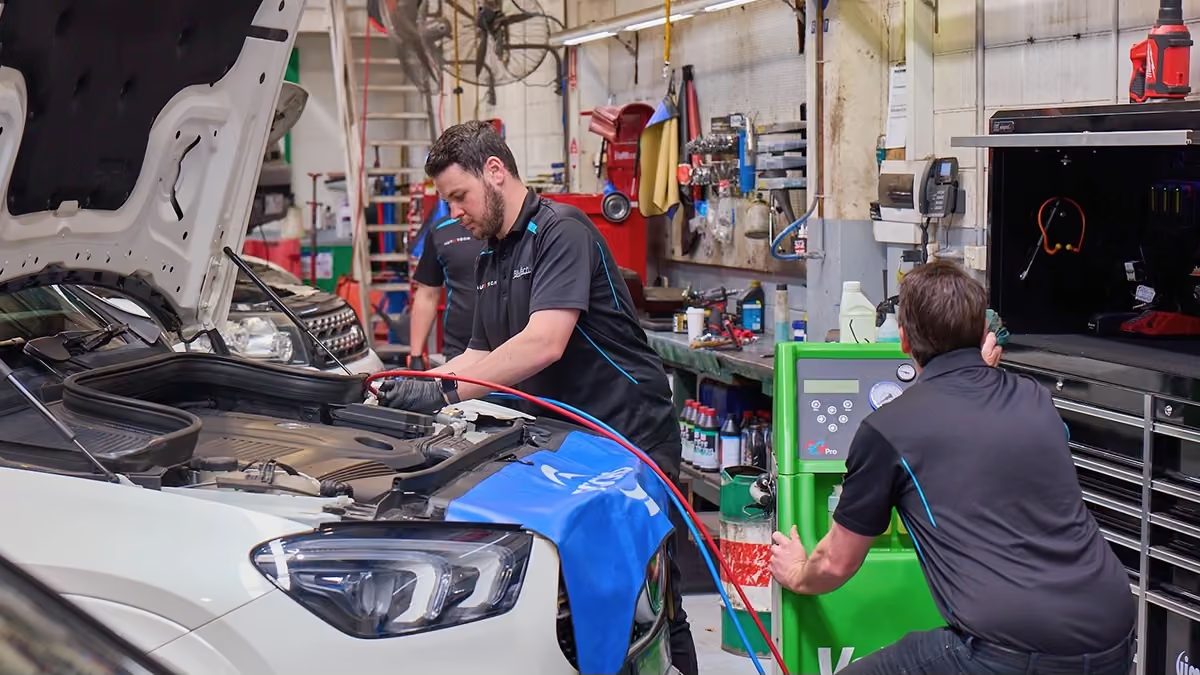
Battery life is one of the biggest questions people ask before buying an EV, but modern battery technology has come a long way. While all rechargeable batteries gradually lose some capacity over time, today's EV batteries are designed to deliver years of reliable performance under normal driving conditions. Most manufacturers also provide dedicated battery warranties, giving buyers added confidence as the technology continues to mature.
Like any vehicle component, battery health is influenced by how the vehicle is used and maintained. Every day, charging habits, driving conditions and temperature can all have an impact, but for many EV owners, battery degradation is gradual enough that it has little effect on day-to-day driving.
Key things to know
- Battery capacity naturally decreases over time, but the change is usually gradual.
- Most EV manufacturers include long-term warranties for their battery systems.
- Following the manufacturer's charging recommendations can help support long-term battery health.
- Newer EV models continue to improve battery range, charging speeds and overall efficiency.
Can Australia support more EVs?
Australia's EV market continues to grow, but widespread adoption depends on more than just producing more electric vehicles. Charging infrastructure, technician training and industry investment all play an important role in ensuring EV ownership is practical, convenient and sustainable for Australians.
Charging infrastructure continues to expand
Public charging networks are growing across metropolitan and regional Australia, making long-distance travel easier than ever before. However, charging availability can still vary depending on where you live and travel, particularly in some regional areas.
Skilled technicians are essential
As more Australians choose EVs, the demand for qualified technicians will continue to increase. Workshops need ongoing training, specialist equipment and access to manufacturer information to service electric vehicles safely and effectively.
Industry investment supports long-term adoption
Building a successful EV future requires investment in charging infrastructure, workforce development and workshop capability. Continued collaboration between government, industry and manufacturers will help ensure drivers have access to reliable charging and professional servicing as EV ownership grows.
Consumer confidence drives the transition
Buying an EV is about more than the vehicle itself. Confidence in charging access, servicing support and long-term ownership all influence whether drivers are ready to make the switch. As Australia's EV ecosystem continues to mature, these improvements will make electric vehicles a practical option for more households.
Buy or lease: Which suits your lifestyle?
The best way to own an EV depends on how long you plan to keep it, how often you drive and whether you prefer long-term ownership or the flexibility of upgrading every few years. Understanding the advantages of each option can help you make a more informed decision.
- Match your ownership option to your budget and driving habits.
- Balance upfront costs with long-term value.
- Choose the flexibility that best suits your lifestyle.
Buying an EV
Purchasing an EV may involve a higher upfront cost, but you'll own the vehicle outright and benefit from lower running costs over time. Buying can be a good option if you plan to keep your vehicle for several years and want to maximise its long-term value.
Leasing an EV
Leasing can reduce the initial financial commitment and may make it easier to upgrade to newer technology as EVs continue to evolve. It's often worth considering if you enjoy driving the latest models or prefer predictable monthly payments.
Salary packaging and novated leasing
For eligible employees, novated leasing may provide tax advantages while reducing the upfront cost of driving an EV. As these arrangements vary, it's worth seeking independent financial advice to determine whether they're suitable for your circumstances.
Think beyond the purchase price
The right decision isn't based solely on how much the vehicle costs today. Running costs, charging access, servicing requirements and how long you intend to keep the vehicle should all form part of your decision-making process.
Our verdict: Should you buy an EV?
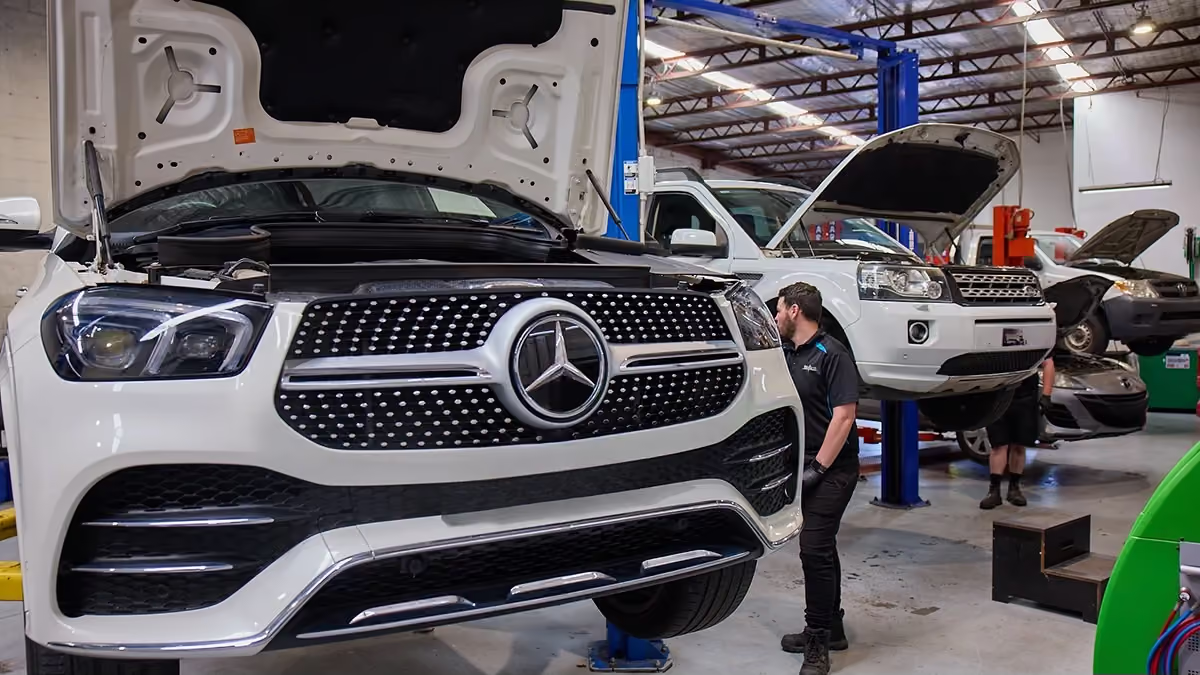
For many Australians, an EV is becoming an increasingly practical choice thanks to lower running costs, improved charging infrastructure and advances in battery technology. However, the right decision still depends on your driving habits, budget and access to convenient charging.
Before making the switch, take time to compare your daily travel, long-term ownership costs and the charging options available to you. Buying an EV isn't about following a trend. It's about choosing the vehicle that best suits your lifestyle today and into the future.
Make your move to EV ownership with confidence
Buying an EV is just the beginning. Expert servicing and ongoing maintenance help keep your vehicle performing at its best for years to come.
Frequently asked questions
Is now a good time to buy an EV in Australia?
For many Australians, yes. More EV models are available than ever before, charging infrastructure continues to expand, and battery technology continues to improve. However, it's still important to consider your driving habits, charging access and budget before making a decision. You can learn more about Australia's EV market via the Electric Vehicle Council.
Can I charge an EV at home?
Yes. Most EV owners charge their vehicle at home using either a standard power outlet or a dedicated home charger. Installing a home charger can significantly reduce charging times and make daily ownership more convenient.
Are EVs cheaper to maintain than petrol cars?
Generally, yes. EVs have fewer moving parts than internal combustion vehicles, so they don't require services such as engine oil changes or spark plug replacements. However, regular inspections, tyre maintenance, brake servicing and battery health checks remain important.
How long do EV batteries last?
Most modern EV batteries are designed to last for many years and are backed by manufacturer warranties. Battery life varies depending on the vehicle, driving conditions and charging habits, but gradual battery degradation is a normal part of long-term ownership.
Can independent workshops service electric vehicles?
Yes, provided they have the appropriate training, equipment and expertise. As EV ownership grows, more independent workshops are investing in specialist tools and technician training to safely service electric vehicles.
Are EVs the right choice for everyone?
Not necessarily. EVs are well-suited to many daily commuters and drivers with convenient access to charging, but they may not be the ideal option for every lifestyle. Comparing your driving habits, budget and charging options will help you determine whether an EV is the right fit for your needs.
Table of contents